Pros & Cons of Living in Tucson Arizona 2026: The Local View
TL;DR
Living in Tucson Arizona offers over 300 days of sunshine, stunning desert scenery, and a relaxed lifestyle with affordable housing compared to many Western states. However, residents must contend with intense summer heat, a niche job market, desert wildlife, and limited public transportation, making a car essential for getting around.
After helping dozens of families relocate to the Tucson, Arizona area, we've learned that understanding the true pros and cons of living in Tucson Arizona is crucial before making a move. While the allure of over 300 days of sunshine and breathtaking desert landscapes is undeniable, there are also lifestyle realities, like the intense summer heat, that require careful consideration.
As local real estate experts, we put out new videos every Sunday all about living in Tucson and relocating to the area. Our experience on the ground, working with clients moving from places like California, Colorado, and the Pacific Northwest, gives us authentic insight into what life here is really like, beyond what Google might tell you.
In this comprehensive guide, we'll break down the real advantages and challenges of calling Tucson home. We’ll cover everything from the climate and cost of living to the job market, natural beauty, and unique local lifestyle, ensuring you have all the information you need to decide if Tucson is the right fit for your next chapter.
The Allure of Tucson: What We Love
When clients first consider Tucson, several key advantages consistently stand out. These elements often define the desirable quality of life many seek when relocating to the Southwest.
Sunshine & Outdoor Living
One of Tucson's most compelling draws is its abundant sunshine. We enjoy over 300 days of sunshine annually, a significant factor for many people seeking an escape from harsh winters. Our mild winters, with chilly but sunny days, transition into very moderate fall and spring seasons where shorts and t-shirts are common. This consistent sunshine promotes a lifestyle rich in outdoor activities like cycling, biking, golfing, and hiking, contributing to a general sense of well-being and natural vitamin D intake. Even in January, you can often find people enjoying the pool or sunbathing, though we do experience some chilly, rainy days.
Cost of Living & Affordability
Compared to many other major metropolitan areas in the West, Tucson offers a notable level of affordability. For clients relocating from states like Colorado, California, the Pacific Northwest, and even Washington D.C., their dollar stretches significantly further here. Property taxes are considerably lower, and we've recently seen unleaded gas prices as low as $2.30 a gallon. The median price of closed homes in December 2025 was around $350,000, offering excellent value whether you're looking for a median-priced home or a luxury property in the million-dollar range. For instance, we had a client from California sell a 1,600 sq ft home for mid-millions and purchase a beautiful, much larger home here for well under that price.
Breathtaking Desert Scenery
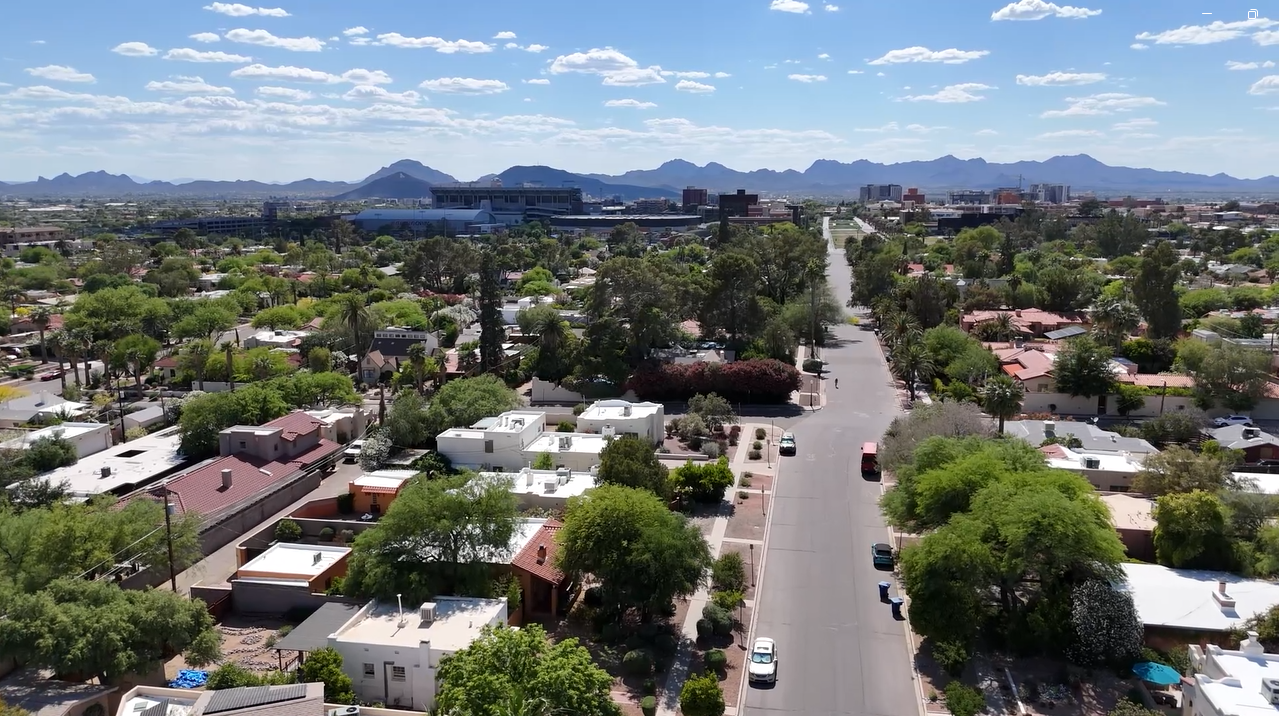
Tucson's natural beauty is truly one of its greatest assets. Situated in a valley, we are surrounded by five majestic mountain ranges, providing spectacular views in every direction. The area is also home to the Saguaro National Park, split into East and West districts, meaning you are literally living amidst iconic desert scenery year-round. What often surprises newcomers is that despite being a desert, Tucson gets incredibly green, especially after rain. The desert blooms, mountains can take on a green hue, and everything becomes vibrant and alive. It's not a "dead" desert; it's active and ever-changing, a sight we never tire of, even after a lifetime here. If you're curious about different areas to live in the midst of this beauty, our video Tucson’s 2 HOTTEST Master Planned Communities Right Now! offers a great starting point.
A Culinary Gem: Tucson's Food Scene
Tucson's food scene is a true delight and one of our personal favorites. While our Mexican food is arguably the best in the country, the culinary landscape here is incredibly diverse and constantly growing. Tucson is recognized as one of only two UNESCO Cities of Gastronomy in the United States, a designation earned in 2015 for its heritage of using ingredients dating back over 4,000 years. We encourage exploring the Visit Tucson website for more on our city's rich food history. Beyond its heritage, Tucson boasts an amazing array of local restaurants, from scratch kitchens to Thai, Ethiopian, and every other cuisine imaginable. We are huge on supporting local establishments, which truly enrich the dining experience here. The food scene has exploded in the past decade, making Tucson a must-visit for any foodie.
The Relaxed Tucson Lifestyle
Perhaps one of the most consistent compliments we hear from clients relocating to Tucson is about the relaxed, chill lifestyle. It's a very laid-back, low-key city with a slower pace of life. While growth and development are happening, the overall vibe is one of ease. People here are friendly; it's common to receive smiles, hellos, and doors held open. We attribute this a lot to the abundant sunshine. While it's not a flashy, high-energy metropolitan hub, there's always something enjoyable to do, whether it's outdoor activities, farmers markets, or local events. The dress code is typically "Tucson casual"—a nice dress or sundress for women, collared shirts and shorts/pants for men—reflecting the easygoing, outdoor-oriented culture.
Navigating the Realities: Potential Downsides
While Tucson offers many compelling advantages, it's equally important to understand the challenges that come with desert living. These are the aspects that can make adjustment difficult for some.
The Desert Heat
The most significant challenge for many is the summer heat. As part of the Sonoran Desert, Tucson experiences hot months, primarily from late May through August. July often sees the highest temperatures, with last year hitting 112°F. However, it's crucial to remember this is dry heat, which feels different from humid climates like Texas or Florida. Tucson also tends to be about five degrees cooler than Phoenix in the summer, thanks to our valley location surrounded by mountains. During these months, outdoor activities are best reserved for early mornings and evenings. Air conditioning is a necessity, and you'll find it blasting everywhere from homes to cars and restaurants. We always recommend visiting in the summer to truly gauge your tolerance for the heat before making a permanent move.
Understanding the Job Market
Tucson's job market, while growing, can be more niche compared to larger metropolitan areas. It's not that jobs are scarce, but the primary sectors are specific. The biggest job providers include government, military, Raytheon (a major defense contractor), education (local school districts and the University of Arizona), and healthcare (hospitals). While the tech and entrepreneurial spaces are expanding, and fulfillment centers like Amazon and Target are present, those looking for highly specialized careers outside these core areas might find the search more challenging.
However, we consistently meet people relocating who successfully find positions, especially within these booming sectors. For those interested in the housing market and potential investment, our video Inside This LUXURY Remodel in Tucson’s Historic Neighborhood — Casita Included! offers insight into property values.
Wildlife & Desert Dust
Life in the desert means coexisting with its native wildlife and dealing with dust. While we've lived here our entire lives and don't view them as threats, it's common to encounter coyotes, javelinas, bobcats, and various lizards. Mountain areas might even see bears or, rarely, jaguars. We regularly walk our dog through desert trails, passing coyotes and javelinas without issue by giving them space. Scorpions and spiders are also part of the desert ecosystem, but regular quarterly pest control keeps them largely at bay. Additionally, Tucson can be dusty, especially during monsoon season (summer) when afternoon thunderstorms bring winds. This can exacerbate allergies, so staying hydrated is key.
Public Transportation Limitations
Unlike larger metropolitan areas, Tucson's public transportation system is quite limited, making a personal vehicle almost essential. The city is very spread out, and while downtown Tucson is growing, amenities like grocery stores or Target often require a car. We don't know many people who get around solely without one. The city bus system only operates within city limits, not extending to the county. There's also the Sun Link tram system, which covers a 1.5-mile radius connecting the University of Arizona, downtown Tucson, 4th Avenue, and the Mercado District. It's great for bar hopping or restaurant tours within that specific zone but isn't a comprehensive solution for daily commuting. If you're accustomed to relying on public transport, Tucson's infrastructure might be a significant adjustment.
Tucson Living: Pros vs. Cons at a Glance
Climate
Pros: 300+ days of sunshine, mild winters, moderate spring/fall Cons: Intense dry summer heat (112°F peak), AC essential
Cost of Living
Pros: Affordable housing (median $350K), lower property taxes, cheaper gas ($2.30/gal)
Cons: Relative to income; job market can be niche
Natural Beauty
Pros: 5 mountain ranges, Saguaro National Park, vibrant desert blooms, stunning sunsets
Cons: Wildlife encounters (coyotes, javelinas, scorpions), dust from winds
Economy
Pros: Growing tech/entrepreneurial space, major employers (Raytheon, UA, govt, healthcare)
Cons: Niche job market, limited options outside core sectors
Lifestyle
Pros: Relaxed, low-key, friendly community, outdoor activities, vibrant food scene
Cons: Limited public transport (car essential), less big-city nightlife
Key Takeaways
- Housing in Tucson is notably affordable: The median home price is $368,000, and overall housing costs are 25% lower than the national average, offering significant savings, especially for those relocating from high-cost states.
- Property taxes are paid in arrears: Taxes are due twice a year (April and October) for the prior year, with rates varying by area (e.g., Tucson city 0.72%, Morirana 1.02%); new construction offers a lower initial tax assessment.
- Utility bills are highly seasonal: Gas bills peak in winter ($77-$158/month) for heating, while electric bills skyrocket in summer ($333-$387/month) due to AC usage; water bills average $60-$90/month, higher with a pool.
- Gas prices are generally reasonable: Averaging around $3/gallon, with opportunities to save 10-15 cents/gallon at warehouse clubs like Costco and Sam's Club, making daily commutes more manageable.
- Tucson offers compelling value compared to other major cities: While daily groceries and transportation are slightly higher than the national average, the overall cost of living is 28.2% lower than San Diego and only 1.3% higher than Dallas, making it a strong contender for relocation.
Should You Still Move to Tucson, AZ?
Moving to Tucson might be right for you if you prioritize:
- Affordable housing: Especially compared to coastal California cities, Tucson offers significantly lower home prices and rent.
- Lower property taxes: Arizona's property tax rates are generally more favorable than many other states.
- A desert climate with minimal natural disaster concerns: Enjoy sunny weather without the worry of frequent wildfires, hurricanes, or major floods.
- New construction incentives: Builders often offer attractive interest rates and incentives, making new homes a viable option.
Tucson might require adjustment if you prioritize:
- Lower daily costs for groceries and transportation: These categories are slightly higher than the national average, so budget accordingly.
- Extensive public transportation: A car is generally essential for getting around efficiently.
- Consistent utility bills year-round: Summer AC usage can lead to high electric bills, requiring careful energy management.

Frequently Asked Questions (FAQ)
Q: What are the hottest months in Tucson, and how hot does it get?
A: The hottest months in Tucson are typically June, July, and August. Temperatures can peak in July, with last year seeing a high of 112°F. While it gets hot, it's a dry heat, which many find more tolerable than humid climates, and Tucson is generally about five degrees cooler than Phoenix during the summer.
Q: Is Tucson an affordable place to live compared to other major U.S. cities?
A: Yes, Tucson is generally considered quite affordable, especially when compared to cities in California, Colorado, or the Pacific Northwest. The median home price in December 2025 was $350,000, and property taxes are significantly lower. We've seen clients stretch their housing budget much further here than in their previous locations.
Q: What are the main industries and job opportunities in Tucson?
A: Tucson's job market is somewhat niche, with major employers primarily in government, military, Raytheon (defense), education (University of Arizona, school districts), and healthcare. While tech, entrepreneurial ventures, and logistics (Amazon, Target fulfillment centers) are growing, these core sectors offer the most established opportunities.
Q: Do I need a car to live in Tucson?
A: For most residents, a car is essential for daily living in Tucson. The city is quite spread out, and public transportation options are limited. The city bus only covers municipal limits, and the Sun Link tram serves a small 1.5-mile radius downtown. While ride-sharing services are available, relying solely on public transport for everyday errands is challenging.
Q: What kind of outdoor activities are available in Tucson?
A: With over 300 days of sunshine and surrounded by five mountain ranges, Tucson is an outdoor enthusiast's paradise. Popular activities include cycling, mountain biking, golfing, hiking in Saguaro National Park, and exploring numerous desert trails. The mild winters and moderate spring/fall seasons make it easy to enjoy these activities almost year-round.
Watch the Full Video
For more insights, watch the complete video: PROS and CONS of Living in Tucson Arizona 2026! (Everything You NEED To Know)
Making Your Move Easier
Moving forward does not have to be overwhelming. With the right guidance and support, you can navigate this journey smoothly. INTERACTIVE MAP AND VIDEOS OF is ready to help you every step of the way.
Here's how to get in touch:
📧 Email: rachel@racheltucsonrealtor.com
📞 Phone: (520) 335-0350
💻 YouTube: Living in Tucson Arizona by Rachel Clark
Rachel Clark-Munday
The Living in Tucson Team, led by Rachel Munday and dedicated real estate professionals, provides expert guidance for those buying, selling, or relocating in Tucson. With deep local knowledge and a passion for the city, we ensure a seamless real estate experience to help you find your perfect home.