

Tucson, AZ Cost of Living: Is It Shockingly Affordable for You?
TL;DR
Tucson's cost of living might surprise you, often being more affordable than expected, particularly for housing which is 25% below the national average. While daily costs for groceries and transportation can be slightly higher than the national average, utility bills vary significantly with the seasons and home type. Overall, it presents a compelling value, especially for those relocating from higher-cost cities.
After helping numerous families relocate to Tucson, Arizona, we've learned that while some costs can be surprising, the overall cost of living in Tucson Arizona is often more affordable than many expect, especially regarding housing which is 25% lower than the national average. Many of our clients, particularly those coming from high-cost areas like California or Texas, are initially shocked by certain expenses, but consistently find the overall value proposition compelling.
As Tucson natives born and raised here, we've witnessed the market evolve and have guided countless clients through their relocation journeys. We understand the specific concerns about expenses, from property taxes to daily groceries, and how they differ from other major cities like San Diego or Dallas. Our 2024 insights show a dynamic market where strategic choices can lead to significant savings.
Is Tucson the right fit for your budget and lifestyle? In this comprehensive guide, we'll dive deep into the real costs of living, covering housing, taxes, groceries, gas, and even our personal utility bills to give you a transparent and accurate picture. Let's uncover what it truly costs to live here.
Understanding Tucson's Housing Market
Tucson's housing market currently presents a more balanced environment for buyers, with median home prices significantly below the national average. As of April 2025, the median sales price for a home in Tucson is $368,000, reflecting a slight decrease of 1.6% from the previous year. The average sales price stands at $454,000, with homes spending an average of 28 days on the market, up 7 days from last year.
Resale Home Prices
We've observed a healthy amount of inventory, with about 2.45 months of supply, which provides buyers with more negotiation power than in previous years. This means sellers are often more willing to work with closing costs and repairs, a stark contrast to the competitive market of 2020-2021. The sweet spot for buyers currently falls within the $300,000 to $399,000 price range, accounting for nearly 30% of the buyer pool. For those interested in exploring different property types, from historic to modern, we often showcase diverse options, much like we did in Inside This LUXURY Remodel in Tucson’s Historic Neighborhood — Casita Included!, which gives a glimpse into the variety available.
Rental Market Snapshot
Finding a rental in Tucson is feasible, though fully renovated, high-end options can sometimes be more sparse and command a higher price. Average rent for an apartment just under 600 square feet is slightly over $1,000, marking a 1.9% decrease from last year. For houses, the average rental costs are:
- One-bedroom (under 600 sq ft): Around $1,000 per month
- Two-bedroom (under 1,200 sq ft): Approximately $1,700 per month
- Three-bedroom: About $2,000 per month
- Four-bedroom: Around $2,400 per month
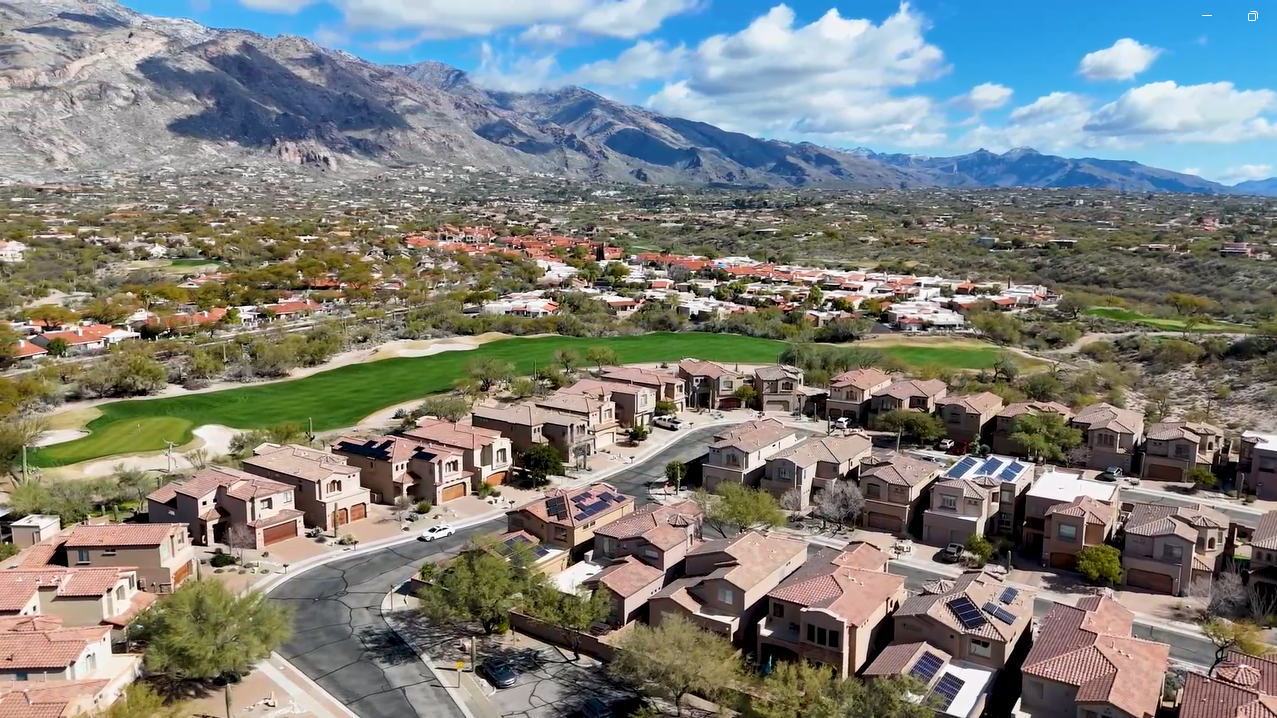
These figures are generally consistent with what we see in the market. Areas closer to the mountains, such as the Catalina Foothills (85718, 85750 zip codes) and Oral Valley, tend to have higher rental and resale prices due to their desirable views and amenities. Conversely, new construction homes often come with attractive incentives and lower interest rates, sometimes in the mid-fours, making them a compelling option for many. We frequently tour these types of properties, such as those featured in INSIDE Semi-Custom LUXURY Homes Near Tucson from the $600Ks! [Dove Mountain AZ], highlighting the modern amenities and energy efficiency they offer.
A Look at Our Personal Utility Bills
Understanding actual utility costs is crucial for budgeting, so we're sharing our personal bills to give you a transparent look at expenses in Tucson. Our home is just under 2,200 square feet, located on the northwest side of Tucson. It's a stucco house built in 1995, featuring double-pane windows and newer (but not brand new) systems. We use gas for our range, furnace, and water heater, and we also have an unheated pool, which impacts our water bill.
Southwest Gas Expenses
Southwest Gas is the primary gas provider in Tucson. Our gas bill fluctuates significantly with the seasons, reflecting the use of our furnace in cooler months and increased baking during winter. Here's a breakdown of our monthly gas costs over the past year:
- Low Usage (May-October): Averaging $12 - $16 (primarily for cooking and water heater)
- Moderate Usage (November): Around $56
- High Usage (December-March): Ranging from $77 - $158 (peak in January/February due to furnace use)
- Transitional (April): Just under $30
Water & Sewage Costs
Our water and sewage bill includes the impact of maintaining an unheated pool, which requires running a pump and occasional refills. If you don't have a pool, your bill would be significantly lower. Over the past year, our water and sewage bills have averaged:
- Average Months (most of the year): $60 - $90
- Peak Usage (August for July usage): $125 (due to higher water use in the hottest month)
- Lowest Usage (March): $57
Electric Bills (Summer vs. Winter)
Our electric bill is largely driven by our air conditioning usage, especially during Tucson's hot summers. We tend to keep our home quite cool, often around 74-75°F, with the AC set to 68°F at night. Our home is not brand new, so newer, more energy-efficient homes (especially those with spray foam insulation) would likely see lower bills.
- Lower Usage (April & November-March): Ranging from $99 - $151
- Transitional (May): $119 (AC starts to turn on)
- High Usage (June-October): Ranging from $333 - $387 (peak in July/August due to heavy AC use)
Tucson Electric Power (TEP) offers various plans, including time-of-use rates, which can help manage costs by encouraging energy use during off-peak hours. These plans can help average out bills and avoid drastic spikes in summer months.
Key Takeaways
- Housing in Tucson is notably affordable: The median home price is $368,000, and overall housing costs are 25% lower than the national average, offering significant savings, especially for those relocating from high-cost states.
- Property taxes are paid in arrears: Taxes are due twice a year (April and October) for the prior year, with rates varying by area (e.g., Tucson city 0.72%, Morirana 1.02%); new construction offers a lower initial tax assessment.
- Utility bills are highly seasonal: Gas bills peak in winter ($77-$158/month) for heating, while electric bills skyrocket in summer ($333-$387/month) due to AC usage; water bills average $60-$90/month, higher with a pool.
- Gas prices are generally reasonable: Averaging around $3/gallon, with opportunities to save 10-15 cents/gallon at warehouse clubs like Costco and Sam's Club, making daily commutes more manageable.
- Tucson offers compelling value compared to other major cities: While daily groceries and transportation are slightly higher than the national average, the overall cost of living is 28.2% lower than San Diego and only 1.3% higher than Dallas, making it a strong contender for relocation.
Should You Still Move to Tucson, AZ?
Moving to Tucson might be right for you if you prioritize:
- Affordable housing: Especially compared to coastal California cities, Tucson offers significantly lower home prices and rent.
- Lower property taxes: Arizona's property tax rates are generally more favorable than many other states.
- A desert climate with minimal natural disaster concerns: Enjoy sunny weather without the worry of frequent wildfires, hurricanes, or major floods.
- New construction incentives: Builders often offer attractive interest rates and incentives, making new homes a viable option.
Tucson might require adjustment if you prioritize:
- Lower daily costs for groceries and transportation: These categories are slightly higher than the national average, so budget accordingly.
- Extensive public transportation: A car is generally essential for getting around efficiently.
- Consistent utility bills year-round: Summer AC usage can lead to high electric bills, requiring careful energy management.
Frequently Asked Questions (FAQ)
Q: How do Tucson's housing costs compare to the national average?
A: Tucson's housing costs are notably more affordable, with Redfin reporting them to be 25% lower than the national average. The median sales price for a home in Tucson is $368,000 as of April 2025, offering significant value compared to many other U.S. cities.
Q: What are typical property taxes in Tucson, AZ?
A: Property taxes in Tucson are paid in arrears, twice a year (April and October). The median effective tax rate for the Tucson area is approximately 0.72%. For a $500,000 home, this would mean an estimated annual property tax bill around $3,600, though rates can vary slightly in surrounding areas like Morirana (1.02%).
Q: Is public transportation reliable in Tucson?
A: While Tucson has a city bus system that operates within city limits, we generally advise that a car is essential for getting around efficiently. Public transportation isn't as extensive or convenient for widespread travel across the greater Tucson area, making personal vehicle ownership almost a necessity.
Q: How do utility bills in Tucson vary throughout the year?
A: Utility bills in Tucson are highly seasonal. Gas bills are lowest in summer ($12-$16) and highest in winter ($77-$158) due to furnace use. Conversely, electric bills are highest in summer ($333-$387) because of intense AC usage and significantly lower in cooler months ($99-$151). Water bills, especially with a pool, remain fairly consistent, averaging $60-$90, with a peak in the hottest months.
Q: Are there specific areas in Tucson with higher housing costs?
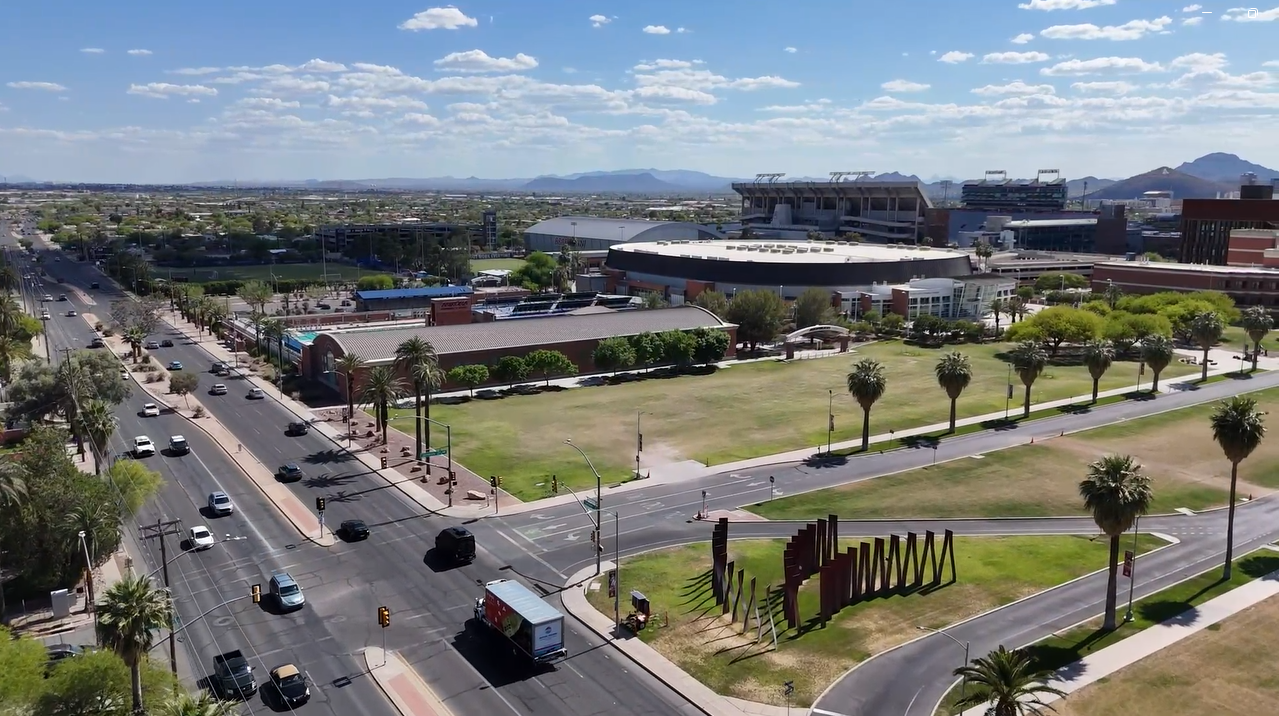
A: Yes, areas closer to the mountains tend to have higher housing costs, both for rentals and resale. The Catalina Foothills (zip codes 85718 and 85750), Oral Valley, and areas near the university are generally considered more desirable and command higher prices due to beautiful views and amenities.
Watch the Full Video
For more insights, watch the complete video: 🚨 Cost of Living in Tucson Arizona is SHOCKING! [Should You Still Move Here?]
Making Your Move Easier
Moving forward does not have to be overwhelming. With the right guidance and support, you can navigate this journey smoothly. INTERACTIVE MAP AND VIDEOS OF is ready to help you every step of the way.
Here's how to get in touch:
📧 Email: rachel@racheltucsonrealtor.com
📞 Phone: (520) 335-0350
💻 YouTube: Living in Tucson Arizona by Rachel Clark
Rachel Clark-Munday
The Living in Tucson Team, led by Rachel Munday and dedicated real estate professionals, provides expert guidance for those buying, selling, or relocating in Tucson. With deep local knowledge and a passion for the city, we ensure a seamless real estate experience to help you find your perfect home.