STOP! 9 Brutal Truths to Know Before Moving to Tucson
TL;DR
Before moving to Tucson, Arizona, it's crucial to understand key factors like the intense summer heat, the surprisingly affordable cost of living compared to other states, and the need for a car to navigate our expansive city. While we boast 8 months of beautiful weather and a booming job market, be prepared for desert wildlife and strategically manage your home for comfort.
When considering moving to Tucson, Arizona, many people envision endless sunshine and stunning desert landscapes. While those are certainly part of the appeal, after living here for over 32 years and assisting numerous clients relocating from California, Washington, Texas, and other states, we've learned there are crucial truths to uncover before making the big move. We've seen the market shift and the questions people ask, and it's clear that a clear-eyed understanding of what life is really like here is essential.
In our extensive experience as local real estate experts, we've guided countless individuals and families through the transition to Tucson. We've seen firsthand the concerns that arise, from navigating our unique climate to understanding the cost of living and the local job market. Our goal is to provide you with the honest, insider perspective you need to decide if Tucson is truly the right fit for your lifestyle and aspirations.
In this comprehensive guide, we'll dive deep into nine "brutal truths" about Tucson. We'll answer pressing questions like: Is it really that hot? What does it cost to live here? What's the job market like? And how do we handle desert wildlife? Let's explore these realities to help you make an informed decision.
1. What is the Weather Like, and Is It Really That Hot?
Tucson's weather is characterized by a significant divide between its beautiful mild seasons and its intense summer heat. We experience about eight months of absolutely gorgeous weather, typically from October through April, where outdoor activities are a delight and temperatures are often in the 60s and 70s.
However, the summer months, particularly June through August, bring triple-digit temperatures. June, in our opinion, is often the hottest month, with daily highs frequently reaching 105°F to 110°F. While these temperatures are brutal, the key difference is the dry heat—it's far more manageable than humid heat found in other parts of the country. We often advise clients thinking of relocating to visit in June to truly gauge their tolerance for the summer. Most of our clients, including those who relocated from Alaska, found it manageable by staying indoors during peak hours, utilizing AC, and spending time by the pool.
Our winters are very mild, generally from January to March, with daytime highs in the 40s and 50s. While it can dip into the 20s or 30s overnight, the sun quickly warms things up during the day. Frost on windows and frozen pipes are rare but can occur on the coldest days. Hydration and sunscreen are non-negotiables during the summer, but we find that most of our time during those months is spent comfortably indoors or by the water.
2. What Does it Cost to Live Here, and What Do Utilities Look Like?
The cost of living in Tucson is generally more affordable than many other major U.S. cities, especially when compared to places like California, Washington, or even parts of Texas. We've found that your dollar can stretch further here, particularly regarding housing and property taxes.
As of June 2025, the median home sales price in Tucson was around $360,000, with an average sales price of $436,000. New construction offers a wide range of options, from the mid-$300s up to multi-million dollar estates. For renters, median apartment rents typically range from $600 to $2,300, while single-family homes can be found from $1,600 to $4,000, depending on the area and size. To get a more detailed breakdown of these expenses, we recommend watching our video, PROS and CONS of Living in Tucson Arizona 2026! (Everything You NEED To Know), where we share personal utility bills and a deeper dive into finances.
Utilities, particularly energy bills, can fluctuate significantly with the seasons. An average energy bill might be around $211 per month, but this will be higher in the summer due to AC usage. Gas prices recently were around $2.98 per gallon for lower-tier options. Property taxes are also a significant advantage: for homes within the City of Tucson, they are just under 0.8%, while in outer areas like Marana or Vail, they are approximately 1.02%. This is notably lower than many other states, offering substantial savings for homeowners.
Expense CategoryTucson, AZ (General)Comparison (e.g., CA/TX)
Median Home Price $360,000 Significantly Higher
Median Rent (Apt)$600 - $2,300 Often Higher
Property Tax Rate 0.8% - 1.02% Often 2x - 3x Higher
Energy Bill (Avg)~$211/month Variable, can be similar
Gas Price (Avg)~$2.98/gallon Variable
3. What are the Best Neighborhoods for Families, Retirees, or Professionals?
Finding the perfect neighborhood in Tucson is highly subjective, depending on your specific needs and lifestyle. We always recommend a personalized consultation to truly understand what you're looking for. However, we can highlight some popular areas that our clients frequently gravitate towards.
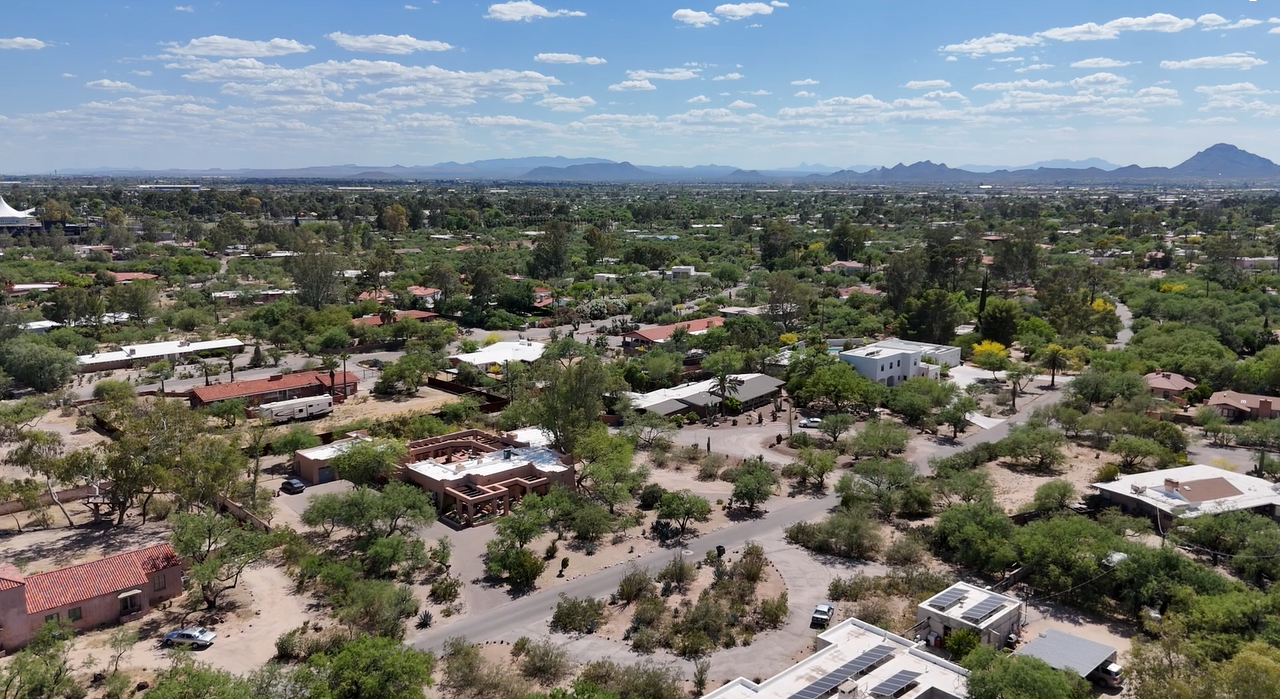
For an urban lifestyle with walkability and historic charm, downtown areas like Dunar Springs, El Presidio, Barrio Viejo, and Armory Park offer eclectic homes and proximity to amenities. Central Tucson neighborhoods such as Broadmoor-Broadway Village, Arroyo Chico, Sam Hughes, and Poet Square are popular, especially due to their close proximity to the University of Arizona.
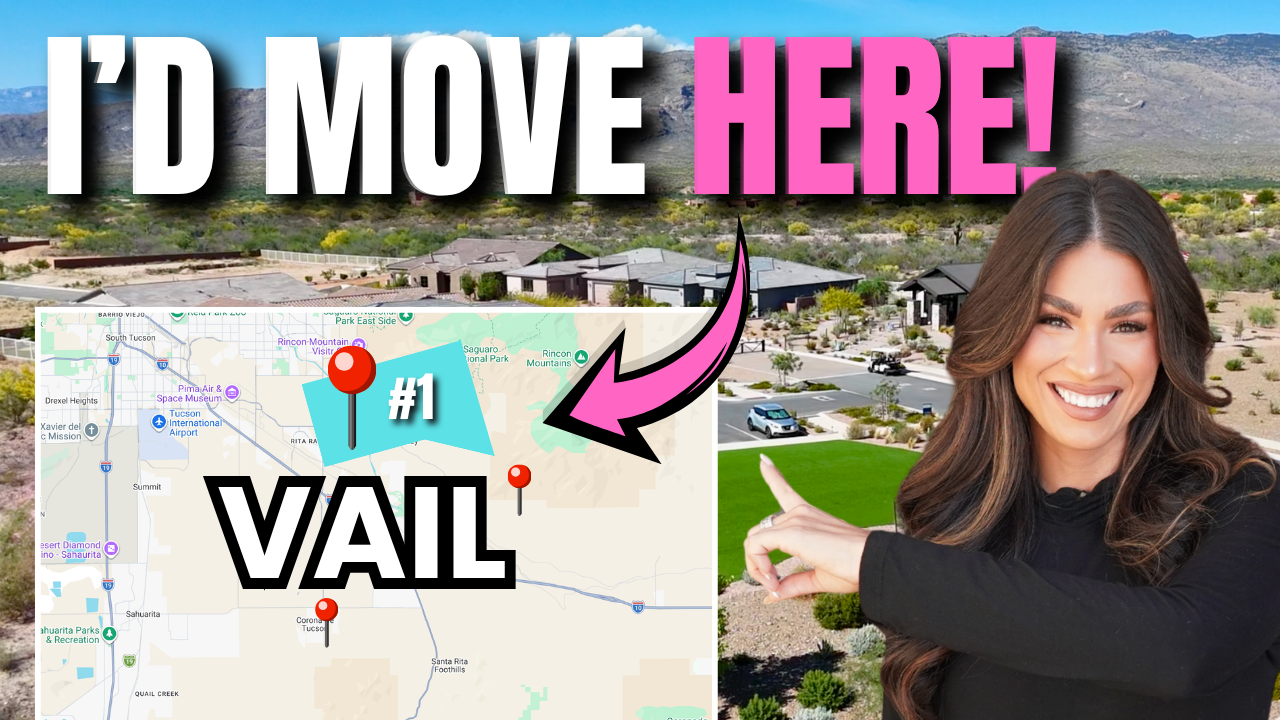
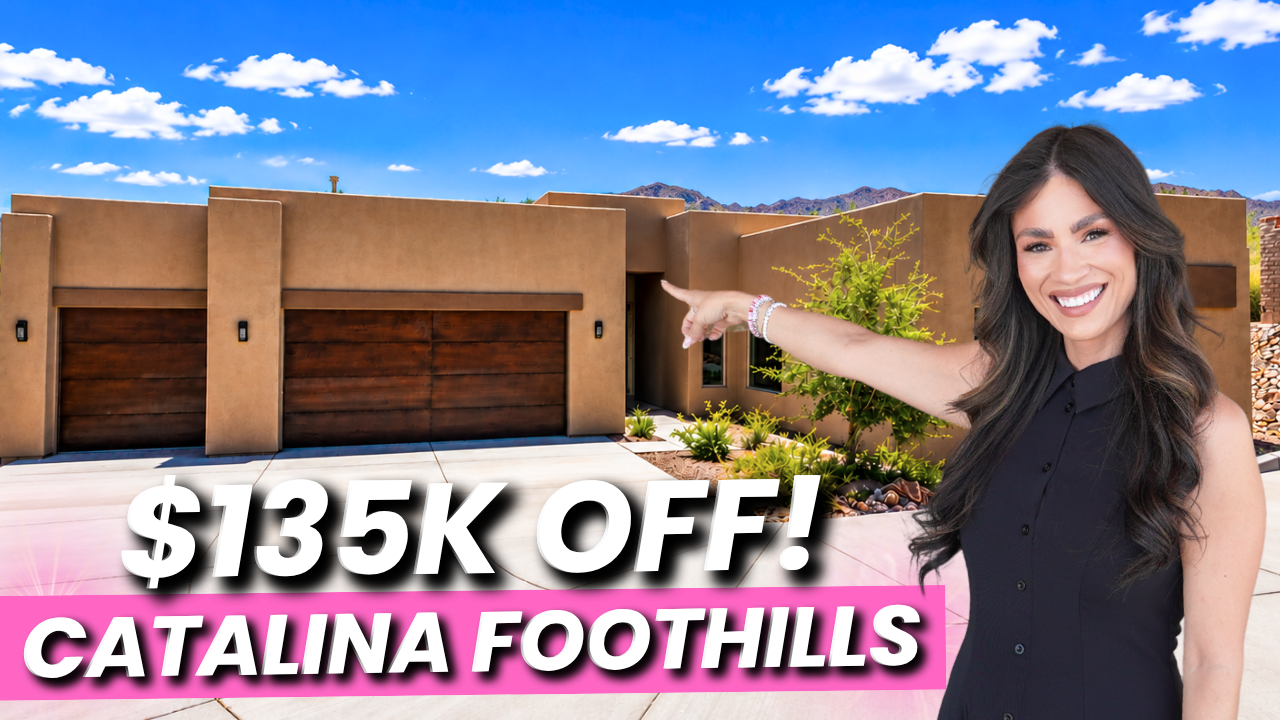
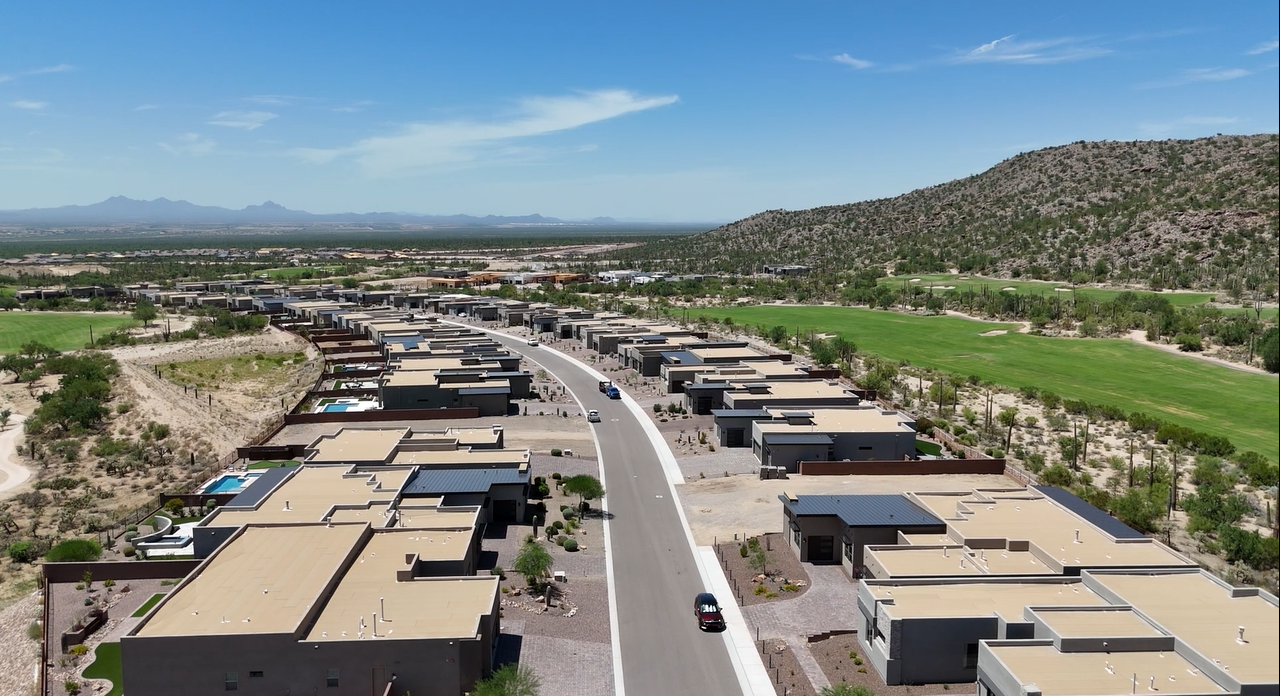
If new construction is a priority, we often direct clients to the Sawarita area (south), Marana (northwest), and Vail (southeast). Oro Valley also has some new construction, though fewer options. For those seeking luxury and stunning landscapes, the Catalina Foothills is a prime choice, known for its custom homes and mountain views. You can explore a remodeled luxury home in this area in our video, Inside This Completely REMODELED LUXURY Tucson Home with Mountain Views! [Catalina Foothills AZ].
Other highly sought-after areas include Dove Mountain, a resort-style community popular with families, offering new construction from the high $400s to multi-million dollar options. Gladden Farms in Marana is another large, family-friendly community with abundant new construction. The Tanque Verde Valley (northeast) is also valued for its mountain views and a mix of luxury and older ranch-style homes.
4. Is Tucson a Walkable City? Do You Need a Car?
Honestly, yes, you will almost certainly need a car when living in Tucson. While we do have public transportation options, they are largely limited to specific areas and may not serve all your needs.
The city's public bus system, Suntran, primarily operates within the City of Tucson limits (the red dotted zone on our maps). Additionally, we have the Sunlink streetcar, which is free to use but only covers a 1.5-mile radius from downtown Tucson to the Mercado district and the University of Arizona. While great for bar hopping or short trips within that specific zone, it's not practical for daily commutes or errands across the wider metro area.
Most residents, including ourselves, rely on personal vehicles to get around. Whether it's for grocery shopping, commuting to work, or exploring the many attractions outside the immediate downtown core, a car provides the necessary accessibility and convenience. Websites like Reddit frequently echo this sentiment, confirming that Tucson is not considered a highly walkable city for general living.
5. What is the Job Market Like, and Who are the Top Employers?
Tucson's job market is robust and diverse, with several key industries and top employers driving growth and relocation. We see a steady stream of clients moving here for new opportunities.
Top Employers in Tucson:
- Raytheon Missiles & Defense: A major defense contractor, bringing many skilled professionals to the area.
- University of Arizona: A leading educational institution and a massive employer across various sectors, from academia to administration and retail.
- Banner Health: One of the leading healthcare providers, offering numerous medical and administrative positions.
- Davis-Monthan Air Force Base: A significant military presence and a consistent source of employment.
- Pima County: The local government provides a wide range of public service roles.
- Tucson Unified School District (TUSD): The largest public school district, employing many educators and support staff.
- Carondelet Health Network: Another prominent healthcare provider in the region.
- Tucson Electric Power (TEP): The primary power utility for the majority of Tucson.
- Caterpillar: A major manufacturing and technology company with a significant presence downtown.
- Amazon: Operates a fulfillment center on the southeast side, providing numerous logistics and distribution jobs.
Beyond these giants, we're also seeing a growing tech industry, particularly in Oro Valley and downtown, creating new job opportunities and making Tucson an increasingly attractive hub for tech professionals. Whether you're in defense, healthcare, education, or tech, there are ample employment and relocation options here.
6. What are the Top Concerns When Moving to the Desert?
Moving to the Sonoran Desert naturally brings concerns about the heat and, of course, the wildlife. While these are valid points, we find they are often exaggerated and manageable with proper preparation.
Desert Wildlife:
- Scorpions & Rattlesnakes: Yes, we have them, but encounters are less frequent than many assume. In our 32 years here, we've only seen two scorpions inside our home. Managing them largely comes down to preventative measures. We highly recommend quarterly pest control services for your home, especially for new construction where ground disturbance might wake up insects. For dog owners, rattlesnake training and awareness of poisonous toads (especially during summer) are crucial.
- Javelinas, Coyotes, & Bobcats: These animals are common, especially if your property backs up to a wash. Javelinas, often mistaken for pigs, are partially blind and roam in herds, eating almost anything (including your pumpkins!). Coyotes and bobcats are more afraid of humans than vice versa, but it's always wise to keep small pets supervised when outdoors, particularly if you back a wash. We haven't had issues with mountain lions in residential areas, though they exist in the actual mountains.
The Heat: As discussed, summers are hot, but it's a dry heat. We emphasize staying hydrated, wearing sunscreen, and limiting outdoor activity during peak afternoon hours. Mornings and evenings offer cooler temperatures for outdoor enjoyment. Most homes and vehicles are equipped with strong AC, making indoor living comfortable during the hottest months. We believe that the dry heat is significantly more tolerable than humid heat at similar temperatures, making those 100°+ days feel less oppressive.
7. How are the Schools and Amenities for Families?
Tucson offers a variety of public and charter school districts, and while we can't endorse specific schools, we can guide you to resources like Niche.com for your own research. We've seen many school districts achieve high ratings, making Tucson an excellent choice for families.
School Districts and Ratings (based on Niche.com and our knowledge):
- Vail School District: Historically an A+ rated district, known for its strong performance.
- Tanque Verde Unified School District: An A-minus rated district with beautiful campuses, located in northeast Tucson.
- Tucson Unified School District (TUSD): The largest district, covering much of the city, with a B-minus rating overall.
- Catalina Foothills School District: Notoriously an A-rated district, often associated with luxury communities.
- Flowing Wells Unified School District: An A-minus rated district in central-northwestern Tucson.
- Amphitheater School District: Covering Oro Valley and surrounding areas, rated B+.
- Marana Unified School District: Generally rated B+ or A-minus.
Family-Friendly Amenities & Activities:
Tucson is an outdoor-oriented community with a wealth of activities for families. We often use VisitTucson.com to find events and attractions. Some popular options include:
- Hiking & National Parks: Sabino Canyon Recreational Park, Saguaro National Park, and numerous other national parks and forests surround the city.
- Mount Lemmon: A 40-mile drive north into the Catalina Mountains, offering temperatures 20° cooler, and even snow in winter, complete with the famous Cookie Cabin.
- Old Tucson: A historic Old West movie set and theme park.
- Golf N' Stuff: A family entertainment center with mini-golf, arcade, and laser tag.
- Arizona-Sonora Desert Museum: A unique zoo, botanical garden, and natural history museum.
- University of Arizona Planetarium: An educational and fun experience for all ages.
- Apple Annie's Orchard & Pumpkin Patches: Seasonal fun for fruit picking and fall festivities.
- Children's Museum Tucson: Interactive exhibits for younger kids.
- Colossal Cave Mountain Park: Explore historic cave systems.
- Outdoor Water Parks & Aquatic Centers: Especially popular during the summer to beat the heat.
- Cultural Experiences: San Xavier Mission, Diaz de los Muertos parade.
8. What is the Food Scene Like?
Tucson's food scene is incredibly vibrant and often doesn't get the credit it deserves. We are one of only two cities in the United States designated as a UNESCO City of Gastronomy (San Antonio being the other), a testament to our rich culinary heritage and diverse offerings.
Of course, we are renowned for our authentic Sonoran Mexican food, with El Charro often credited as the original creator of the chimichanga. But our culinary landscape extends far beyond that. We have everything from amazing pizza and Korean BBQ to Italian, Ethiopian, and Asian cuisines.
We love using TucsonFoodie.com and their Instagram page to discover new restaurants and recommended spots. Some of our favorites include:
- Augustine Kitchen: Known for its salmon Caesar salad and fantastic fries.
- Anello Pizza: Highly rated for its authentic pizzas.
- Barista del Barrio: A charming walk-up spot for burritos and coffee.
- Barrio Bread & Barrio Brewing Company: Local favorites for artisanal bread and craft beers.
- Boca Tacos y Tequila: Offering creative and delicious tacos.
Our food scene is constantly growing, with new establishments gaining recognition on social media, drawing tourists and food lovers alike. We have a fantastic array of coffee shops and unique matcha spots, ensuring there's something to satisfy every palate. We truly believe Tucson is an amazing foodie destination.
9. What is the Social Scene Like?
Tucson offers a diverse social scene, blending outdoor activities, arts, and community events, providing a little something for everyone. While we're not a massive metropolis like Phoenix or Los Angeles with major league sports or huge concerts, we're only about an hour and a half away from Phoenix if you seek those larger events.
Outdoor & Community Focus:
- Outdoor Activities: We are a very outdoor-oriented community. Biking and cycling are huge, with events like the El Tour de Tucson every November. Hiking, horseback riding, rock climbing, and astronomy (with beautiful night skies and proximity to Kit Peak Observatory) are all popular.
- National Parks & Monuments: Coronado National Forest, Saguaro National Park, Sabino Canyon, Madera Canyon, and the Organ Pipe Cactus National Monument offer endless exploration opportunities.
- Arts & Culture: We have numerous museums, including the Arizona-Sonora Desert Museum, Arizona State Museum, and Arizona History Museum. The University of Arizona's Biosphere 2 is a fascinating research facility worth visiting. Artists perform at venues like the Rialto Theatre, casinos, and the Tucson Convention Center (TCC).
- Local Events: VisitTucson.org lists ongoing events, from sound bowl ceremonies and outdoor live music during summer nights (like Chillin' at the JULEP) to the AMX summer night market featuring local vendors. We also have baseball games with the Tucson Saguaros and various seasonal festivals.
Nightlife & Entertainment:
While we don't have the mega-clubs of Scottsdale or LA, Tucson offers a vibrant college nightlife around the University of Arizona, with numerous bars and eclectic spots. We also boast a thriving brewery scene, providing more laid-back options for socializing. We find that the community aspect and the abundance of unique, local experiences truly define Tucson's social fabric.
Key Takeaways
- Tucson's Climate Offers 8 Beautiful Months: Enjoy mild winters and pleasant spring/fall, but be prepared for intense, dry heat during the 2-3 summer months (June-August) with temperatures often reaching 105-110°F. Staying indoors with AC and hydrating are key to managing it.
- Cost of Living is More Affordable: The median home price is around $360,000, significantly lower than many states. Property taxes are also advantageous, ranging from 0.8% to 1.02% depending on the area, offering substantial savings compared to places like California or Texas.
- A Car is Essential for Navigation: Despite public transportation, Tucson is not a highly walkable city; a personal vehicle is necessary to access most areas, grocery stores, and amenities across the metro area.
- Diverse and Growing Job Market: Top employers include Raytheon, University of Arizona, Banner Health, Davis-Monthan Air Force Base, and Amazon, with a burgeoning tech industry adding new opportunities.
- Manageable Desert Wildlife: While scorpions, rattlesnakes, and javelinas are present, routine quarterly pest control and awareness (especially for pets) make coexisting with desert wildlife manageable and less intimidating than often perceived.
Should You Move to Tucson?
Tucson might be right for you if you prioritize:
- Enjoying a mild, sunny climate for much of the year, with a tolerance for intense, dry summer heat.
- A more affordable cost of living and lower property taxes compared to many other U.S. states.
- Access to a diverse job market in defense, education, healthcare, and growing tech sectors.
- An outdoor-oriented lifestyle with abundant hiking, cycling, and natural attractions.
- A rich cultural and culinary scene, recognized as a UNESCO City of Gastronomy.
Tucson might not be the best fit if you prioritize:
- Living in a highly walkable city without the need for a personal vehicle.
- Seeking a major metropolitan area with large-scale sports teams, massive concert venues, and extensive club nightlife.
- A climate that avoids triple-digit summer temperatures entirely.
- A preference for dense, urban environments over a community that embraces its desert landscape and more spread-out feel.
Frequently Asked Questions (FAQ)
Q: What are the main cultural attractions or unique events in Tucson?
A: Tucson boasts a rich cultural heritage, highlighted by the historic San Xavier Mission and the vibrant annual Diaz de los Muertos parade post-Halloween. We also have a strong astronomy community, with beautiful night skies and sites like Kit Peak Observatory and the University of Arizona's Biosphere 2, which explores global environments. The city's designation as a UNESCO City of Gastronomy also underscores its unique food culture.
Q: How do property taxes in Tucson compare to other states like California or Texas?
A: Property taxes in Tucson are notably more affordable. For properties within the City of Tucson, the rate is just under 0.8%, while in outer areas like Marana or Vail, it's approximately 1.02%. This is significantly lower than many areas in California and Texas, which often have property tax rates well over 1.5% or even 2-3%, offering substantial savings for homeowners here.
Q: What outdoor activities are available during the hot summer months in Tucson?
A: Even during the hot summer months, Tucson offers plenty of ways to stay active and cool. We utilize our numerous aquatic centers and pools, enjoy early morning or late evening hikes when temperatures are lower, and explore indoor attractions like the Children's Museum or the Arizona-Sonora Desert Museum's indoor exhibits. Mount Lemmon, just 40 miles north, provides a 20°F cooler escape, perfect for a day trip to higher elevations.
Q: Are there good options for new construction homes in Tucson, and where are they located?
A: Yes, new construction is a significant housing option in Tucson, catering to various price points. We typically see a high concentration of new builds in the Sawarita area (south of Tucson), Marana (northwest), and Vail (southeast). Oro Valley also offers some new construction, though often fewer developments. Communities like Dove Mountain and Gladden Farms in Marana are particularly popular for their wide range of new home options.
Watch the Full Video
For more insights, watch the complete video: STOP! Don’t Move to Tucson Until You Know THESE 9 Brutal Truths!
Making Your Move Easier
Moving forward does not have to be overwhelming. With the right guidance and support, you can navigate this journey smoothly. INTERACTIVE MAP AND VIDEOS OF is ready to help you every step of the way.
Here's how to get in touch:
📧 Email: rachel@racheltucsonrealtor.com
📞 Phone: (520) 335-0350
💻 YouTube: Living in Tucson Arizona by Rachel Clark
Rachel Clark-Munday
The Living in Tucson Team, led by Rachel Munday and dedicated real estate professionals, provides expert guidance for those buying, selling, or relocating in Tucson. With deep local knowledge and a passion for the city, we ensure a seamless real estate experience to help you find your perfect home.