Relocating to Tucson? Your Top 10 Questions Answered!
TL;DR
This video addresses the top 10 most common questions people ask when relocating to Tucson, Arizona, covering everything from managing desert wildlife and understanding the climate to navigating healthcare and exploring the local food scene. We provide essential insights into housing costs, new construction trends, and exciting day trip possibilities, ensuring you're well-prepared for a smooth and stress-free transition.
After helping countless clients considering a move to Tucson, Arizona, we've found that understanding the unique desert lifestyle is paramount for a successful transition. Many arrive with questions about everything from the local wildlife to the scorching summers, and we want to ensure you have all the facts.
With our deep roots as born-and-raised Tucsonans and years of experience in the local real estate market, we’ve guided numerous families and individuals through their relocation journey. The Tucson market, with its median home price around $363,000 as of November 2024, offers unique opportunities compared to other major U.S. cities, but it also presents specific considerations that potential residents must be aware of.
In this comprehensive guide, we'll dive into the top 10 most frequently asked questions about relocating to Tucson, addressing everything from climate and transportation to healthcare access and exciting day trip possibilities. You’ll learn what to expect regarding property taxes, new construction, and even our famous monsoon season. Let's explore what makes Tucson a unique place to call home.
1. What Wildlife Should You Expect in Tucson?
While Tucson is set in the desert, the wildlife isn't as daunting as many people imagine, especially in developed areas. We've lived here our entire lives and rarely encounter serious issues with animals.
- Coyotes: Commonly seen, they are generally more afraid of humans. However, if you live near desert areas, keep an eye on pets or small animals.
- Javelinas: These desert warthogs can be a nuisance if you leave food out, as we learned when a group enjoyed a feast of organic pumpkins from our patio!
- Rattlesnakes & Scorpions: Encounters are rare. We've seen only a handful of rattlesnakes in the wild over our lifetime and even fewer scorpions inside our homes. Regular pest control services every quarter can effectively manage insects and arachnids.
- Lizards: Small, harmless lizards are common and help by eating bugs.
- Subterranean Termites: Present in the desert, but they typically cause less severe damage than in other parts of the country. Annual checks are advisable, especially for older homes.
Overall, while we share our environment with beautiful creatures like owls, foxes, and occasionally even bears, the wildlife is not a major concern for most residents.
2. How Hot Does it Get in Tucson?
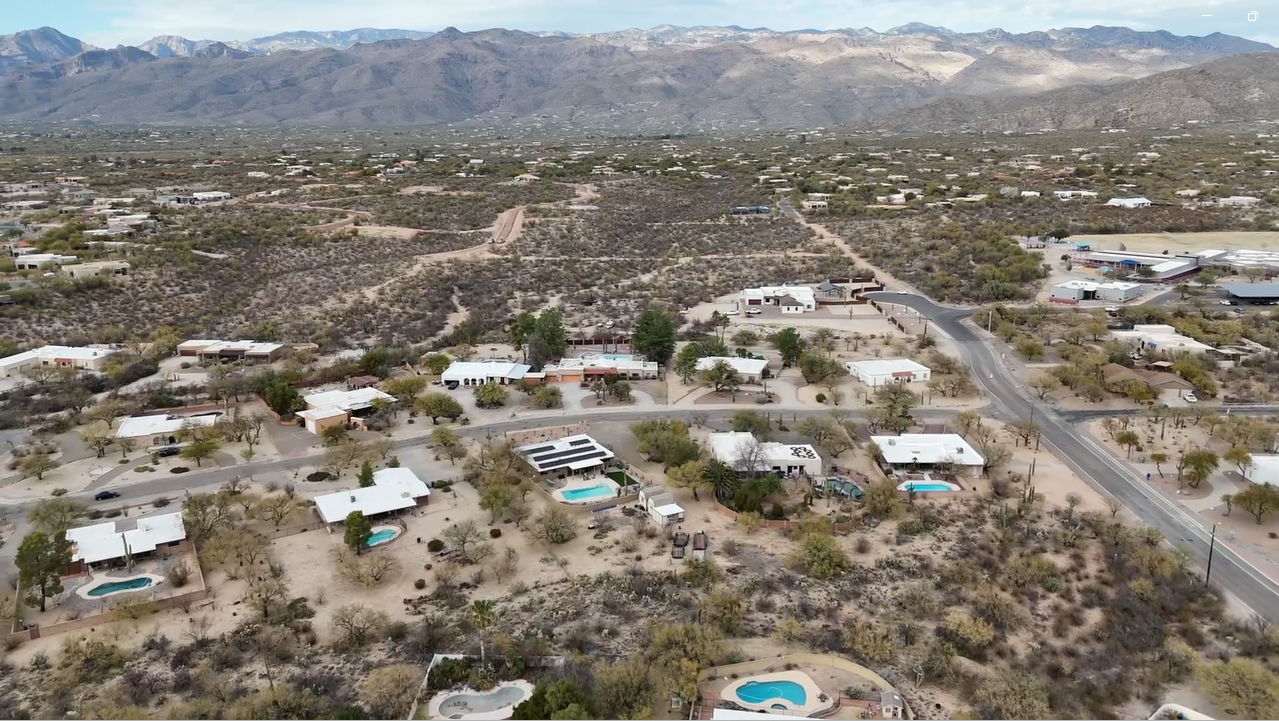
Tucson's heat, while significant in summer, is often preferable to harsh snowy winters and is quite manageable due to its dry nature. We enjoy over 300 days of beautiful sunshine annually.
- Winters: Mornings and late evenings can dip into the high 20s, but daytime temperatures typically range from 60-65°F, making it very pleasant. You'll still see people in shorts!
- Spring & Fall: Spring is beautiful, but fall doesn't bring the crisp air or changing foliage seen elsewhere; temperatures simply drop from the summer highs.
- Summer Heat: The heat usually builds in May. June is often the hottest month, averaging 100-105°F, with a slightly stuffy feel before the monsoon season begins. Phoenix, for comparison, tends to be about 5 degrees hotter.
During the summer, coping mechanisms are abundant: pools, splash pads, and air-conditioned cars, homes, and businesses make it very manageable. We always recommend wearing sunscreen, staying hydrated, and seeking shade.
3. Where Are the Hospitals and Medical Facilities in Tucson?
Tucson boasts excellent and accessible healthcare facilities, with hospitals and urgent care centers conveniently located throughout the city. You won't have to drive far for medical needs.
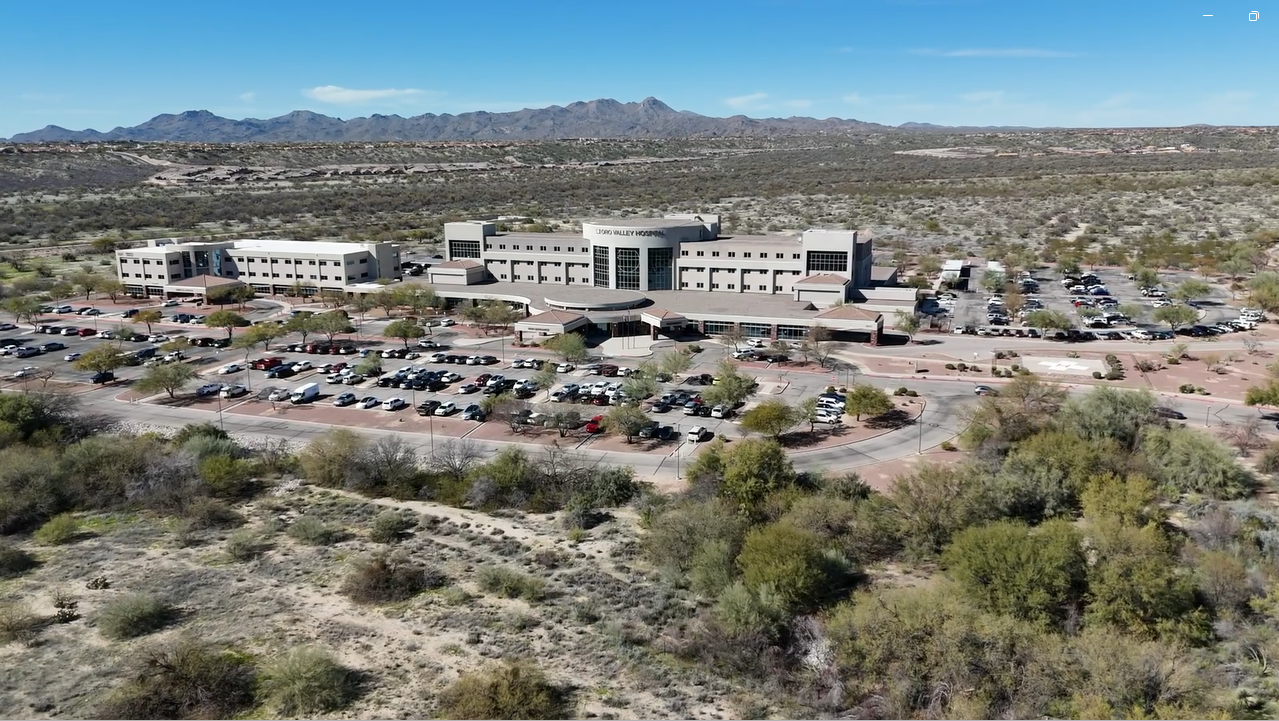
- North: Oral Valley Hospital serves residents in Oral Valley, Saddlebrooke, Catalina, and Dove Mountain/Marana, typically just a 10-minute drive.
- Northwest: The Northwest Medical Center is one of the largest facilities in town, located in the Casas Adobes area. The Cortaro Marana Emergency Center is also available off I-10.
- Central: Banner Health Center (University Medical Center) and Diamond Children's Medical Center specialize in child medicine and cancer research. Tucson Medical Center (TMC) is another major central option.
- East: Options include El Dorado Medical Center, St. Joseph's Hospital, and a Northwest Medical Center branch on Houghton. For those in the Vail area, TMC Rincon provides services.
- West: St. Mary's Hospital is easily recognizable at the base of "A" Mountain.
- South: A Northwest Medical Center is located near the Sahuarita exit, serving Green Valley residents within a 7-10 minute drive.
Beyond hospitals, urgent care facilities are plentiful across Tucson, offering numerous options for affordable and immediate medical attention.
4. Is a Car Necessary for Transportation in Tucson?
Yes, a personal vehicle is overwhelmingly necessary for convenient and efficient transportation around Tucson. While public transport exists, it has significant limitations.
- City Bus: The public bus system primarily operates within central city limits, generally south of River Road and extending to areas like Houghton or Harrison on the east side, and around 22nd Street/Golf Links. Its hours are also restricted.
- Sun Link Streetcar: This light rail serves a small, approximately 2-mile radius connecting the downtown and University of Arizona areas. It's useful for students or exploring these specific districts but doesn't cover the wider city.
Unlike larger metropolitan areas, Tucson does not have high-speed trains or an extensive public transit network that allows for easy navigation without a car. For the simplest and most convenient experience, we always recommend having your own vehicle or relying on ride-sharing services.
5. What are Tucson's Monsoon Seasons Like?
Tucson's monsoon season, occurring in July and August, brings dramatic and often beautiful afternoon thunderstorms that offer a welcome relief from the summer heat. Many find them to be a favorite time of year.
- Timing & Intensity: These are heavy rain showers and thunderstorms that can come on quickly but typically move through town fairly fast, lasting anywhere from 20 minutes to an hour.
- Safety: While flash flood warnings are common, serious incidents where vehicles are carried away are rare. We advise using common sense: avoid driving through flooded washes or areas marked with hazard cones.
- Benefits: Monsoons provide a crucial cool-down, dropping temperatures from 100°F to a pleasant 80°F post-rain. One of our favorite desert experiences is the unique, earthy smell of the air and ground immediately after a monsoon. It's a true phenomenon to witness in our mountainous desert environment.
6. What's the Food Scene Like in Tucson?
Tucson's culinary scene is exceptional, particularly renowned for its Mexican food, and we are proud to be recognized globally for our gastronomic heritage. We are a UNESCO City of Gastronomy, one of only two in the United States, an honor that reflects our dedication to optimizing original Sonoran and Native American ingredients.
- Mexican Cuisine: We believe Tucson offers some of the best Mexican food in the country, even rivaling parts of Mexico. We're the proud home of El Charro, the original creator of the chimichanga.
- Diversity: Beyond Sonoran Mexican, Tucson boasts an incredible array of cuisines, including Asian, Korean, African, and more. Whatever you're craving, you'll likely find an amazing restaurant here.
- Local Focus: Tucson strongly supports local businesses, and our food scene is rich with independent restaurants owned by local chefs or those who have relocated here and embraced our unique flavors. While we don't have Michelin stars yet, the culture, food, and dining experiences here are truly special.
For an ultimate food guide, we often recommend checking out "Tucson Foodie," which lists over 75 fantastic local restaurants.
7. What is the Cost of Living in Tucson?
The cost of living in Tucson is generally more affordable than many other major U.S. cities, though individual perspective varies. We find it offers a great balance of value and lifestyle.
- Property Taxes: Significantly lower than in states like California. Within Tucson City Limits, property taxes are approximately 0.79% of the assessed value. In areas like Marana, which offer more new construction, it's slightly higher at 1.02%.
- Median Home Price: As of November 2024, the median home price of $363,000 for Tucson makes it an attractive option for buyers. New construction homes can start in the mid-$300s and extend into the multi-million dollar range, often with incentives and lower interest rates.
- Gas Prices: These fluctuate, but we've recently seen gas around $2.90 per gallon.
We plan to release a more in-depth video detailing utility bills and monthly costs for a 2,200 sq ft home, providing a clearer picture of what to expect financially.
8. Where Can You Find New Construction Homes in Tucson?
Most new construction homes in Tucson, particularly master-plan communities by major builders, are located on the outskirts of the city, outside the direct city limits. This allows for larger developments and a greater variety of newer homes.
- Northwest: Marana and Dove Mountain are prime areas for new builds, featuring builders like KB Homes, Meritage Homes, DR Horton, Lennar, Mattamy, and Pulte. Prices range from the mid-$300s to $800-$900s, with luxury options from Fairfield Homes reaching multi-million dollars. For an in-depth look at communities in this region, check out NEVER BEFORE SEEN New Construction Homes Near Tucson! [Rocking K Vail AZ].
- Southwest: Some new construction can be found in areas near Tucson Estates.
- South: Sahuarita and Green Valley are also prominent for new home developments. If you're considering 55+ communities in the area, you might find valuable insights in Inside Tucson’s NEWEST 55+ Community with Resort-Style Clubhouse & Mountain Views! [Vail AZ].
- Southeast: The Vail and Rocking K areas offer numerous new build options.
- East: Meritage Homes has a notable development in the Houghton area, which is within Tucson city limits, offering convenience just minutes from a Target.
- Northeast/North: The Tanque Verde Valley and Foothills areas feature more luxury custom home builders like Fairfield, or opportunities to build on purchased lots. For a comparison of luxury areas, refer to Tucson’s TOP 3 Luxury Areas Compared — Which One Wins?.
These outlying areas often provide diverse housing options and layouts that might not be available closer to central Tucson.
9. What is Tucson's Military Presence Like?
Tucson is considered a military town, primarily due to the presence of Davis-Monthan Air Force Base, which is a significant employer and community hub. The base is located southeast of Central Tucson.
- Military & Government: We see a large number of military personnel, government workers, and contractors relocating to Tucson from across the country and even globally.
- Key Employers: Beyond the Air Force Base, Raytheon (missile defense and engineering) is another major employer that brings many people to the area.
- Local Impact: If you live closer to the base, you might notice more air traffic and noise, particularly during events like the air show. However, areas further out are typically unaffected.
- Popular Residential Areas: Many military families choose to live in communities like Rincon Valley, Vail, Sahuarita, or Marana. These locations offer an easy, straight-shot commute via I-10 to the base, providing distance without sacrificing convenience.
10. What Day Trips Are Accessible from Tucson?
Tucson's location is fantastic for day trips and weekend getaways, offering a surprising variety of destinations within a few hours' drive. We are truly blessed with our proximity to diverse landscapes and experiences.
- Mount Lemmon (45 minutes): This is our closest and most popular day trip. A drive up the mountain takes you to a completely different ecosystem with pine trees and a forest, where temperatures can be 20°F cooler than in Tucson. Enjoy the Cookie Cabin, pizza, or even rent a cabin or camp for the night.
- Southern Arizona Gems (1-2 hours): Head southeast to Benson (about 1 hour 15 minutes) for a fun outing, or visit Sonoita for beautiful scenery and excellent wine tours. South of Green Valley, about 20 minutes, is Tubac, known for its beautiful golf courses and resorts.
- Rocky Point (Puerto Peñasco), Mexico (4 hours): Many people don't realize we are only 4 hours from a beach! With a passport, you can drive through Sonoyta to Rocky Point, Mexico. We've gone there for several years and always feel safe enjoying the resorts and Choya Bay.
- Phoenix/Scottsdale (1.5-2 hours): For big city amenities, shopping, sports events, or dining, Phoenix and Scottsdale are an easy drive north, offering a different vibe without the higher cost of living.
- Sedona & Flagstaff (4 hours): Head north to Sedona for its absolutely stunning Red Rocks and more wineries, with Flagstaff just 20 minutes further. These are beautiful options for a weekend getaway, especially if you're seeking cooler temperatures.
- Further Afield: We're also about 6 hours from San Diego and 6.5-7 hours from Las Vegas, making longer road trips feasible. Tucson truly offers an affordable home base with incredible access to a wide range of regional attractions.
Key Takeaways
- Wildlife Management: While Tucson is home to desert wildlife like coyotes and javelinas, serious encounters with rattlesnakes or scorpions are rare, especially with regular pest services and common sense precautions.
- Manageable Climate: Tucson offers over 300 days of sunshine, with mild winters averaging 60-65°F and hot, dry summers (100-105°F) made more bearable by monsoon rains and abundant AC access.
- Healthcare & Connectivity: The city boasts accessible healthcare with numerous hospitals and urgent care centers strategically located throughout, though personal transportation is essential for navigating the wider area.
- Affordable Housing & Growth: With a median home price of $363,000 as of November 2024, Tucson provides relatively affordable living, with significant new construction opportunities emerging in outlying areas like Marana, Sahuarita, and Vail.
- Rich Culture & Recreation: As a UNESCO City of Gastronomy, Tucson offers an exceptional food scene, particularly Sonoran Mexican cuisine, and its central location provides easy access to diverse day trips, from mountain forests to Mexican beaches.
Should You Relocate to Tucson, Arizona?
Tucson might be right for you if you prioritize:
- A warm, sunny climate with over 300 days of sunshine annually.
- A lower cost of living and property taxes compared to many US states.
- Access to diverse outdoor activities and unique day trip opportunities (mountains, beaches).
- A rich culinary scene, especially Sonoran Mexican food, as a UNESCO City of Gastronomy.
- A strong sense of community and support for local businesses.
Tucson might require adjustment if you:
- Are highly sensitive to summer temperatures that can exceed 100°F.
- Prefer extensive public transportation networks over personal vehicle reliance.
- Are apprehensive about desert wildlife, though serious encounters are uncommon.
- Seek a vibrant fall foliage season, which is less prominent here.
Frequently Asked Questions (FAQ)
Q: What are the main pros and cons of living in Tucson?
A: The pros of living in Tucson include its affordable cost of living, beautiful desert landscapes, abundant sunshine, rich cultural heritage (especially its renowned food scene), and proximity to diverse day trip destinations like Mount Lemmon or Rocky Point. Cons can include intense summer heat, the necessity of owning a car for convenient transportation, and the presence of desert wildlife which, while usually harmless, can be a concern for some.
Q: How does Tucson's cost of living compare to other Arizona cities like Phoenix?
A: Tucson generally offers a lower cost of living compared to Phoenix. For instance, Phoenix typically experiences temperatures about 5 degrees hotter in the summer, and housing costs can be higher. While both cities are in the desert, Tucson's median home price of $363,000 (as of Nov 2024) provides a more affordable entry point for many compared to the larger Phoenix metro area.
Q: What are the best neighborhoods for families or young professionals relocating to Tucson?
A: For families, areas like Vail, Rocking K, and parts of Marana offer many new construction homes, good schools, and a quieter suburban feel. Young professionals might gravitate towards central Tucson, near the University of Arizona, or areas with revitalized downtown access, balancing affordability with proximity to work and social activities. Outlying areas like Marana and Sahuarita are popular for those seeking newer homes and master-plan communities.
Q: What unique cultural experiences can one expect in Tucson?
A: Tucson is a UNESCO City of Gastronomy, making its food scene a highlight, particularly the authentic Sonoran Mexican cuisine. You can explore historic sites, vibrant art districts, and Native American cultural centers. The city also hosts events like the annual Tucson Gem & Mineral Show and the Davis-Monthan Air Force Base air show, showcasing a blend of history, art, and community spirit.
Q: Is Tucson a good place for military families due to Davis-Monthan AFB?
A: Yes, Tucson is an excellent place for military families due to Davis-Monthan Air Force Base. It's a hub for military personnel, government workers, and contractors. Many families choose to live in surrounding areas like Rincon Valley, Vail, Sahuarita, or Marana, which offer an easy commute to the base via I-10. This allows for a comfortable family life with access to good schools and housing, while still being close to military facilities and support networks.
Watch the Full Video
For more insights, watch the complete video: RELOCATING TO TUCSON?! Top 10 Questions Answered!
Making Your Move Easier
Moving forward does not have to be overwhelming. With the right guidance and support, you can navigate this journey smoothly. INTERACTIVE MAP AND VIDEOS OF is ready to help you every step of the way.
Here's how to get in touch:
📧 Email: rachel@racheltucsonrealtor.com
📞 Phone: (520) 335-0350
💻 YouTube: Living in Tucson Arizona by Rachel Clark
Rachel Clark-Munday
The Living in Tucson Team, led by Rachel Munday and dedicated real estate professionals, provides expert guidance for those buying, selling, or relocating in Tucson. With deep local knowledge and a passion for the city, we ensure a seamless real estate experience to help you find your perfect home.