Pros and Cons of Living in Tucson Arizona 2026
TL;DR
Living in Tucson Arizona offers over 300 days of sunshine and a relaxed lifestyle, making it a dream for many, especially those seeking affordability compared to California or Colorado. However, residents must be prepared for intense summer heat and a more niche job market, alongside adapting to desert wildlife and a reliance on personal transportation.
After helping dozens of families relocate to the Tucson, Arizona area, we've learned that understanding the true local realities—beyond the tourist brochures—is crucial for a successful transition. For some, living in Tucson Arizona is an absolute dream come true, while for others, it requires a significant adjustment. We've seen firsthand how factors like the relentless summer heat or the unique job market can surprise newcomers.
In our experience as local real estate experts, the decision to move to Tucson hinges on a clear-eyed view of its unique blend of benefits and challenges. We've guided clients from high-cost areas like California, Colorado, the Pacific Northwest, and even Washington D.C., helping them navigate everything from property taxes to lifestyle expectations. This isn't about sugar-coating; it's about providing authentic insight into what it's truly like to live and thrive here.
In this comprehensive guide, we'll break down the top pros and cons of living in Tucson, Arizona, covering everything from its famous sunshine and stunning desert scenery to its job market, cost of living, and transportation realities. We'll explore why Tucson is a UNESCO City of Gastronomy and what to expect from its unique wildlife, ensuring you have all the information needed to decide if this desert gem is the right place for you.
The Allure of Sunshine: Pro #1 for Living in Tucson Arizona
Living in Tucson Arizona means enjoying over 300 days of sunshine annually, a major draw for many seeking an escape from colder climates. This abundant sun contributes to a generally mild climate for much of the year, fostering an active outdoor lifestyle and potentially boosting overall well-being.
We are in the Southwest, and the sheer amount of sunshine is often the first thing people fall in love with when they consider relocating here. Our winters, while they can get chilly, still feature plenty of sun, allowing for outdoor activities. Fall and spring are particularly moderate, with many people still wearing shorts, t-shirts, and flip-flops. For those coming from regions like the Midwest that experience harsh winters and heavy snow, Tucson offers a welcome reprieve. You can still be out in January, enjoying the sun or even going to the pool, though we do get some rainy, low-40s days that can surprise visitors.
This consistent sunshine naturally encourages a lifestyle rich in outdoor pursuits. Cycling, biking, golfing, and hiking are popular year-round activities, drawing enthusiasts from all over. Beyond recreation, we believe the ample natural vitamin D contributes to a sense of happiness and health for many residents.
Battling the Heat: Con #1 of Tucson Living
While sunshine is a significant pro, it comes with the undeniable reality of intense summer heat, especially from late May through August. Despite the high temperatures, Tucson's dry desert climate makes the heat more manageable than humid regions.
As we are nestled in the Sonoran Desert, hot months are a given. However, the key difference here is the dryness, which makes 100°F in Tucson feel vastly different from 100°F with 90% humidity in places like Texas or Florida. Our hottest days, which peaked at 112°F last July, typically occur in the peak afternoon and are not sustained throughout the entire day. Notably, Tucson tends to be about five degrees cooler than Phoenix, Arizona in the summer, thanks to our valley location surrounded by mountains.
During these hotter months, locals adapt by shifting outdoor activities to the early mornings and evenings. Whether it's walking the dog, cycling, or simply enjoying a stroll, these cooler parts of the day are when the city truly comes alive. Air conditioning is a constant companion—you'll be sleeping with your AC and fan on, and restaurants and businesses blast their ACs. We often advise prospective residents to visit during the summer to truly gauge their heat tolerance, as successfully navigating these few months means enjoying beautiful weather for the rest of the year.
The Cost of Living: Pro #2 for Tucson Relocation
The Cost of Living: Pro #2 for Tucson Relocation has a practical answer that depends on budget, location, and household needs. A useful reference point is $350,000. This means readers can compare the tradeoff quickly before deciding whether the details fit their situation.
We've seen countless clients, especially those relocating from expensive markets in Colorado, California, the Pacific Northwest, and the Washington D.C. area, find that their money goes significantly further here. Property taxes are considerably lower, and daily expenses like groceries and gas are often less. We recently saw unleaded gas at $2.30 a gallon, which represents massive savings for many. While affordability is relative, for many, Tucson provides a much-needed financial break.
As of December 2025, the median price of closed homes in Tucson was around $350,000. This means whether you're looking for a home in the median range or a luxury property, you generally get more bang for your buck. We had a client from California, for example, who sold their 1,600 square-foot home for mid-millions and was able to purchase a beautiful, spacious home in Tucson for well under that price. This financial advantage is a significant factor for many considering a move here, especially if they are retiring or selling a home in a pricier market. For more insights into specific areas, you might find Inside NEW Affordable Luxury Homes in Tucson’s MOST Desired Suburb! [Oro Valley AZ] helpful.
Navigating the Job Market: Con #2 of Tucson Life
While Tucson's economy is growing, its job market can be more niche, primarily driven by specific sectors like government, military, education, and healthcare. This means those with specialized skills outside these areas might face a greater challenge in finding employment.
Tucson is an ever-growing city, with an expanding presence in the tech and entrepreneurial spaces, attracting interest from larger companies. However, the current major job providers remain consistent: government, military (with Raytheon being a huge employer), education (including the University of Arizona and local school districts), and healthcare (hospitals). These sectors offer robust opportunities, and we frequently assist clients relocating for positions within them.
For those with more niche careers, the job search might require a bit more effort. That said, we meet many people who successfully find positions here, often in emerging areas like the Amazon and Target fulfillment centers. The key is understanding that while the market is active, it's concentrated in specific industries. If you're relocating for military, Raytheon, healthcare, or education, we're always here to help you navigate the local housing market that aligns with your new role.
Majestic Scenery: Pro #3 for Relocating to Tucson Arizona
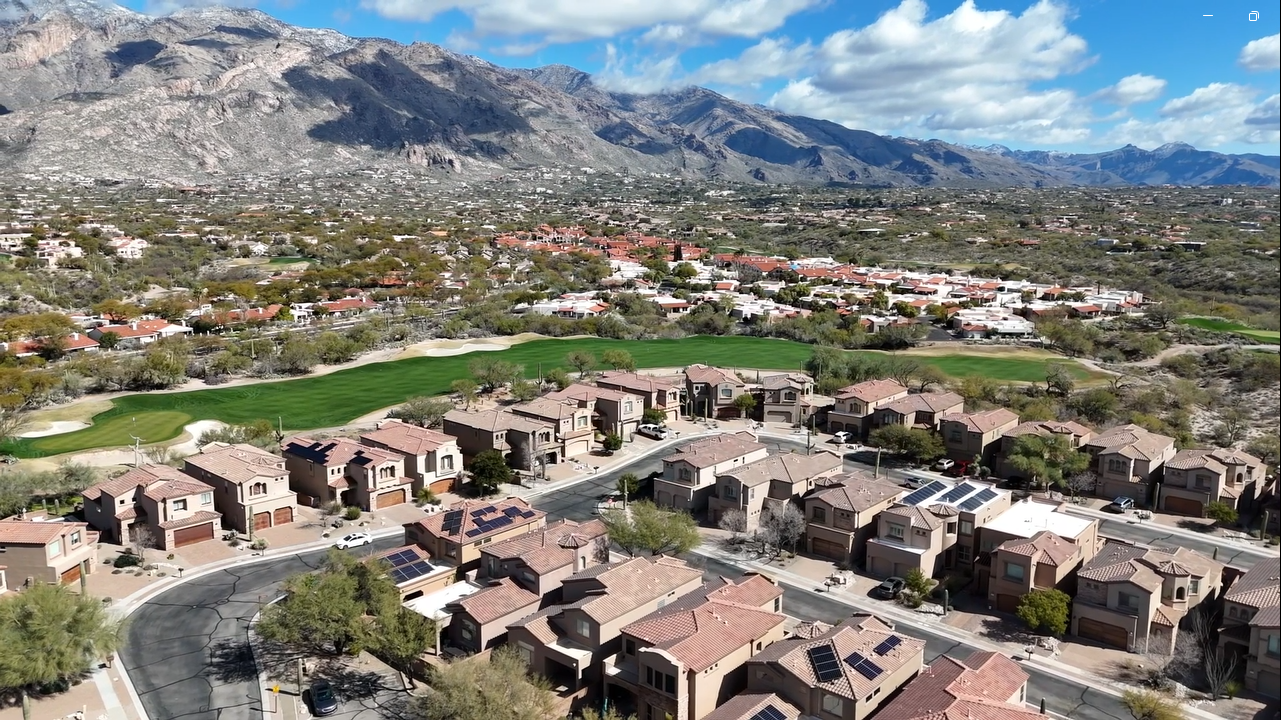
Relocating to Tucson Arizona means immersing yourself in spectacular desert scenery, characterized by five surrounding mountain ranges and the iconic Saguaro National Park. This natural beauty provides breathtaking views and a vibrant, living desert landscape year-round.
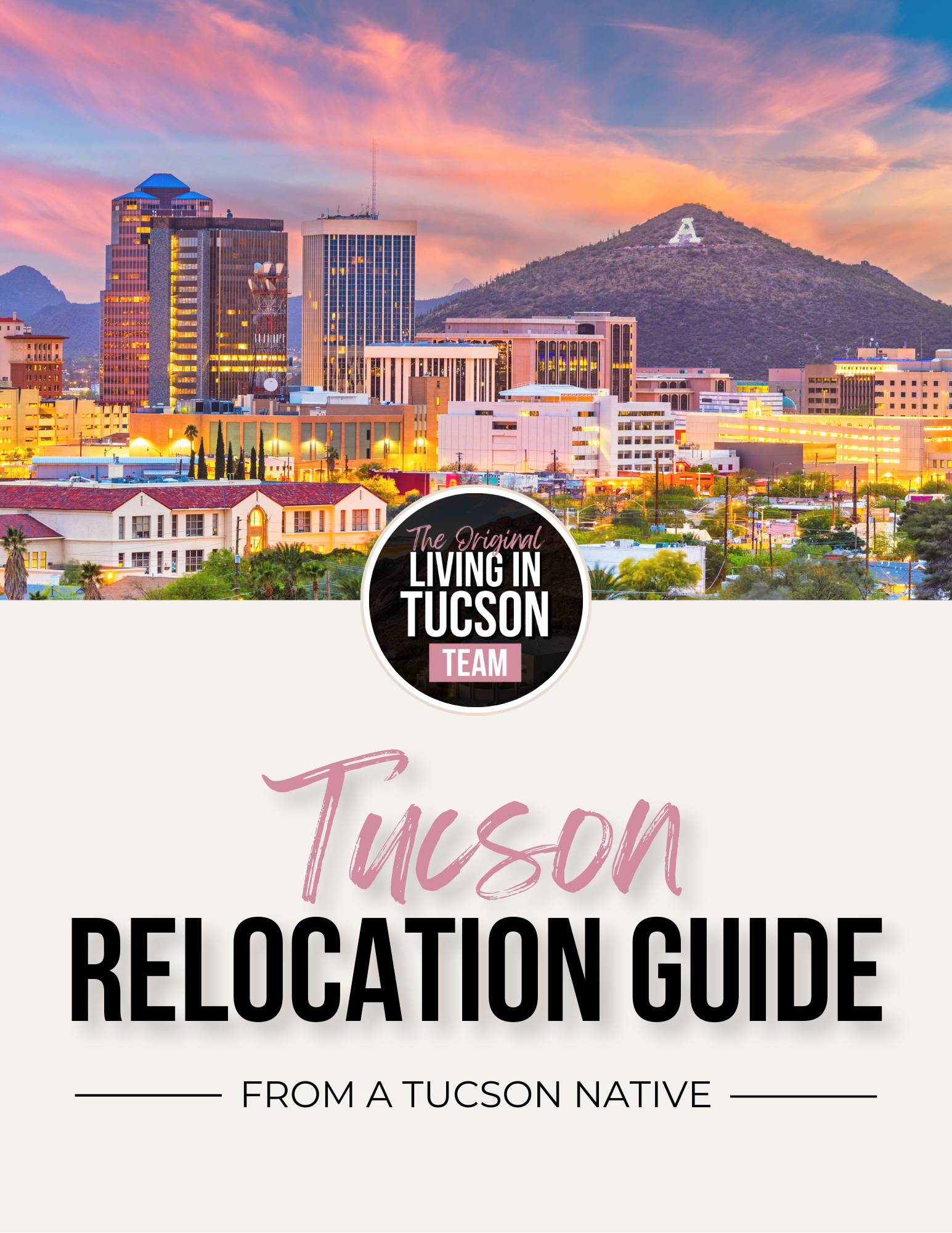
One of our absolute favorite aspects of Tucson, and a common highlight for our visiting clients, is the stunning desert scenery and majestic mountain ranges. Tucson sits in a valley, encircled by five distinct mountain ranges, meaning you'll see mountains in every direction you look—a truly spectacular sight. We're blessed with incredible sunsets and sunrises, and the city is bordered by the Saguaro National Park to both the east and west, making it feel like you're living within a postcard.
What often surprises people is how green the desert can get, especially after a good rain. It's not a barren landscape; the desert truly comes to life, with everything blooming and becoming incredibly vibrant. The mountains themselves can even take on a shade of green, enhancing the vividness of the landscape. Having lived here our entire lives, we're still constantly amazed by the beauty we encounter daily, whether driving around or showing new neighborhoods. This constant, beautiful backdrop is a massive pro for loving where you live. If you're curious about specific areas, If I Were Moving to Tucson Arizona… THESE Are the 7 Areas I’d Choose! offers more detail.
Desert Realities: Con #3 – Wildlife and Dust
Living in Tucson's desert environment means adapting to occasional dust storms, especially during monsoon season, and encounters with local wildlife. Residents should be prepared for common sightings of animals like coyotes, javelinas, and various desert creatures, requiring practical precautions and regular pest control for insects like scorpions.
Yes, we are in a desert, and it can definitely get dusty here. Especially during our monsoon season in the summer, afternoon thunderstorms bring winds that kick up dust, which can sometimes trigger allergies. Staying hydrated is also crucial in our dry climate, as it's easy to get caught off guard, especially in the heat. Then there's the wildlife. We never want to alarm people, as we're used to it, but coyotes, javelinas, bobcats, and even rare sightings of jaguars and bears in the mountains are part of the landscape. The most common animals you'll likely encounter are coyotes, javelinas, cottontail bunnies, roadrunners, and lizards.
We always say they're more afraid of you than you are of them, so common sense is key: give them space. We walk our dog daily through desert trails and often pass coyotes or javelinas without issue. For insects like scorpions and spiders, regular pest control (quarterly or monthly) is highly recommended. In our entire lives here, we've only seen a handful of scorpions inside our home, and pest control quickly resolved it. Like any region, Tucson has its unique natural nuances, and it’s about what you’re comfortable living with. For more on where people are moving, check out Where Everyone is ACTUALLY Moving in Tucson Arizona RIGHT NOW!.
A Culinary Destination: Pro #4 – Tucson's Food Scene
Tucson boasts a vibrant and diverse food scene, recognized globally as one of only two UNESCO Cities of Gastronomy in the United States. This distinction highlights its rich culinary heritage, exceptional Mexican food, and growing variety of international and local eateries.
Our food scene is, honestly, one of our absolute favorites. While we firmly believe we have the best Mexican food in the country, Tucson's culinary offerings extend far beyond that, with an ever-growing variety of international cuisines. Being designated a City of Gastronomy in 2015 speaks volumes about our food heritage, which astonishingly uses ingredients and traditions dating back over 4,000 years, rooted in the legacy of the Tohono O'odham Nation and Sonoran desert life. You can even take food tours to explore this unique history.
Beyond its historical significance, Tucson is passionate about supporting local restaurants. While franchises exist, our local scratch kitchens, Thai, Ethiopian, and countless other eateries are truly fantastic. The food scene has exploded in the last decade, and we can only imagine its growth in the next five years. If you're a foodie, Tucson will not disappoint. Websites like VisitTucson.com and TucsonFoody.com offer comprehensive guides to exploring our incredible array of restaurants.
Transportation Challenges: Con #4 – The Need for a Car
Public transportation in Tucson is limited, making a personal vehicle essential for most residents to navigate the city effectively. Unlike larger metropolitan areas, Tucson's spread-out nature necessitates a car for daily errands and commuting.
Despite our growing city and vibrant downtown, public transportation definitely lacks here. We can confidently say you will need a car to get around. While downtown Tucson is developing, even trips to Target or the grocery store typically require a vehicle. We don't know many people who rely solely on public transport. Uber and Lyft are available, but for consistent daily travel, options are very limited.
Tucson is quite spread out, meaning it can take time to get to destinations using public transport. The city bus system operates only within city limits and doesn't extend to the county. We also have the Sun Link, a tram system, but its route is confined to a 1.5-mile radius between the University of Arizona, downtown, 4th Avenue, and the Mercado District. While it's great for bar hopping or exploring those specific areas (and it's free!), it's not a viable option for daily commuting. If you're accustomed to relying on extensive public transportation in larger cities, Tucson might not be the best fit.
The Tucson Lifestyle: Pro #5 – Relaxed and Friendly
Tucson Arizona offers a distinctly relaxed, chill, and laid-back lifestyle, characterized by a slower pace of life and genuinely friendly residents. This easygoing atmosphere creates a welcoming environment for newcomers and fosters a strong sense of community.
This is truly one of our favorite aspects of living here, and it’s a consistent observation from nearly every client we've helped relocate: Tucson embodies a very relaxed, low-key, and slower pace of life. While there's certainly growth and activity, the overall vibe is one of ease. People here are genuinely friendly; you’ll find strangers smiling, saying hello, holding doors, and striking up conversations. We often attribute this to the abundant sunshine and the city's unpretentious nature.
Despite the relaxed pace, there's always something fun to do, from outdoor activities and farmers' markets to events at local restaurants or outdoor malls. It's not a flashy, high-energy metropolitan hub, but rather a city where comfort and casualness reign. The dress code is typically “Tucson casual”—a nice dress or sundress for women, collared shirts and shorts or pants for men—reflecting the city's easygoing spirit. People are generally very easygoing and approachable, contributing to a unique and welcoming lifestyle.
Limited Metropolitan Nightlife: Con #5 of Living in Tucson
Tucson does not offer the extensive, high-energy nightlife or major metropolitan attractions found in larger cities like Phoenix or Los Angeles, California. While it has its own vibrant scene, those seeking big sporting events or major concerts will often need to travel.
For those accustomed to the bustling nightlife and large-scale entertainment of major metropolitan areas, Tucson might feel a bit quieter. We certainly have fun things to do, like University of Arizona tailgate parties during basketball and football seasons, and some cool concerts do come through. However, if you're looking for major professional sporting events (like the Arizona Diamondbacks or Suns) or the biggest international music acts, you'll likely need to make the 1.5 to 2-hour drive up to Phoenix.
Tucson's nightlife leans more towards boutique bars, local wineries, breweries, and a variety of general and dive bars, offering a more intimate and laid-back experience. It’s not the high-energy, flashy city life you might find elsewhere. We often describe Tucson as the "cool, chill, laid-back little sister" of Phoenix or Scottsdale, Arizona, offering a distinct charm for those who appreciate a more relaxed evening out.
Key Takeaways
- Abundant Sunshine & Mild Seasons: Tucson boasts over 300 days of sunshine annually, with mild winters and moderate spring/fall, making it ideal for year-round outdoor activities and contributing to a generally happier lifestyle.
- Affordable Cost of Living: The median home price in Tucson was $350,000 in December 2025, offering significantly more buying power, especially for those relocating from expensive markets like California, Colorado, or the Pacific Northwest, with lower property taxes and gas prices.
- Niche Job Market: While growing in tech and entrepreneurship, Tucson's primary job sectors are government, military (Raytheon), education (University of Arizona), and healthcare, meaning specialized roles might require a more focused job search.
- Stunning Desert Scenery & Unique Wildlife: Surrounded by five mountain ranges and Saguaro National Park, Tucson offers breathtaking views and a vibrant desert that greens with rain, but residents should be prepared for dust and common desert wildlife like coyotes and javelinas.
- Relaxed Lifestyle & Limited Public Transport: Tucson embraces a laid-back, friendly, and casual lifestyle, but its spread-out nature means a personal car is essential for daily transportation, as public transit options are limited to specific city areas.
Should You Consider Living in Tucson Arizona?
Living in Tucson Arizona might be right for you if you prioritize:
- Consistent sunshine and outdoor living: You thrive in warm weather and enjoy activities like hiking, biking, and golfing year-round.
- Affordability and value: You're looking for a lower cost of living, especially in housing, compared to major West Coast or Mountain West cities.
- A relaxed, friendly atmosphere: You prefer a slower pace of life, a casual vibe, and a community where people are generally approachable.
- Unique desert beauty and culinary experiences: You appreciate stunning natural landscapes, vibrant sunsets, and a diverse food scene with a rich heritage.
Tucson might be a challenging adjustment if you prioritize:
- Escape from intense heat: You struggle with prolonged periods of high temperatures, even if it's a dry heat.
- A bustling, diverse job market: Your career is outside government, military, education, or healthcare, and you need extensive job opportunities.
- Extensive public transportation and major city nightlife: You rely on public transit for daily commuting and seek a vibrant, high-energy metropolitan nightlife with major sporting events and concerts.
Frequently Asked Questions (FAQ)
Q: What are the main pros and cons of living in Tucson, Arizona?
A: The main pros of living in Tucson, Arizona, include over 300 days of sunshine, a more affordable cost of living (median home price around $350,000 in late 2025), stunning desert and mountain scenery, a vibrant UNESCO City of Gastronomy food scene, and a relaxed, friendly lifestyle. The cons involve intense summer heat (up to 112°F), a niche job market focused on government, military, education, and healthcare, the presence of desert wildlife and dust, and limited public transportation requiring a personal car.
Q: Is Tucson, Arizona an affordable place to live?
A: Yes, Tucson, Arizona, is generally considered an affordable place to live, especially when compared to major metropolitan areas in California, Colorado, or the Pacific Northwest. We've seen clients find their dollar stretches much further here, with lower property taxes and gas prices (around $2.30/gallon for unleaded observed). The median home price was $350,000 in December 2025, offering good value for both standard and luxury homes.
Q: What is the job market like in Tucson, Arizona?
A: The job market in Tucson, Arizona, is growing in tech and entrepreneurship, but it is primarily driven by specific sectors. The largest employers are typically government, military (including Raytheon), education (like the University of Arizona and local school districts), and healthcare. While finding niche jobs might be more challenging, there are also opportunities in fulfillment centers like Amazon and Target, and many people successfully relocate for work here.
Q: How hot does it get in Tucson during the summer?
A: Tucson experiences intense summer heat, with the hottest months typically from late May through August. Temperatures can reach as high as 112°F, as observed last July, though this is usually the peak afternoon temperature and not sustained all day. However, the heat is characterized by its dryness, making it feel less oppressive than humid climates. Residents adapt by doing outdoor activities in the cooler mornings and evenings and relying heavily on air conditioning.
Q: What kind of weather can I expect in Tucson, Arizona?
A: You can expect over 300 days of sunshine in Tucson, Arizona, with very mild seasons. Winters are generally chilly but sunny, while fall and spring are moderate and pleasant. Summers are hot and dry, with temperatures often exceeding 100°F. We also experience a monsoon season in the summer, bringing afternoon thunderstorms and winds that can kick up dust. Overall, the weather encourages an active, outdoor lifestyle for much of the year.
Watch the Full Video
For more insights, watch the complete video: PROS and CONS of Living in Tucson Arizona 2026! (Everything You NEED To Know).
Making Your Move Easier
Moving forward does not have to be overwhelming. With the right guidance and support, you can navigate this journey smoothly. INTERACTIVE MAP AND VIDEOS OF is ready to help you every step of the way.
Here's how to get in touch:
📧 Email: rachel@racheltucsonrealtor.com
📞 Phone: (520) 335-0350
💻 YouTube: Living in Tucson Arizona by Rachel Clark
Rachel Clark-Munday
The Living in Tucson Team, led by Rachel Munday and dedicated real estate professionals, provides expert guidance for those buying, selling, or relocating in Tucson. With deep local knowledge and a passion for the city, we ensure a seamless real estate experience to help you find your perfect home.